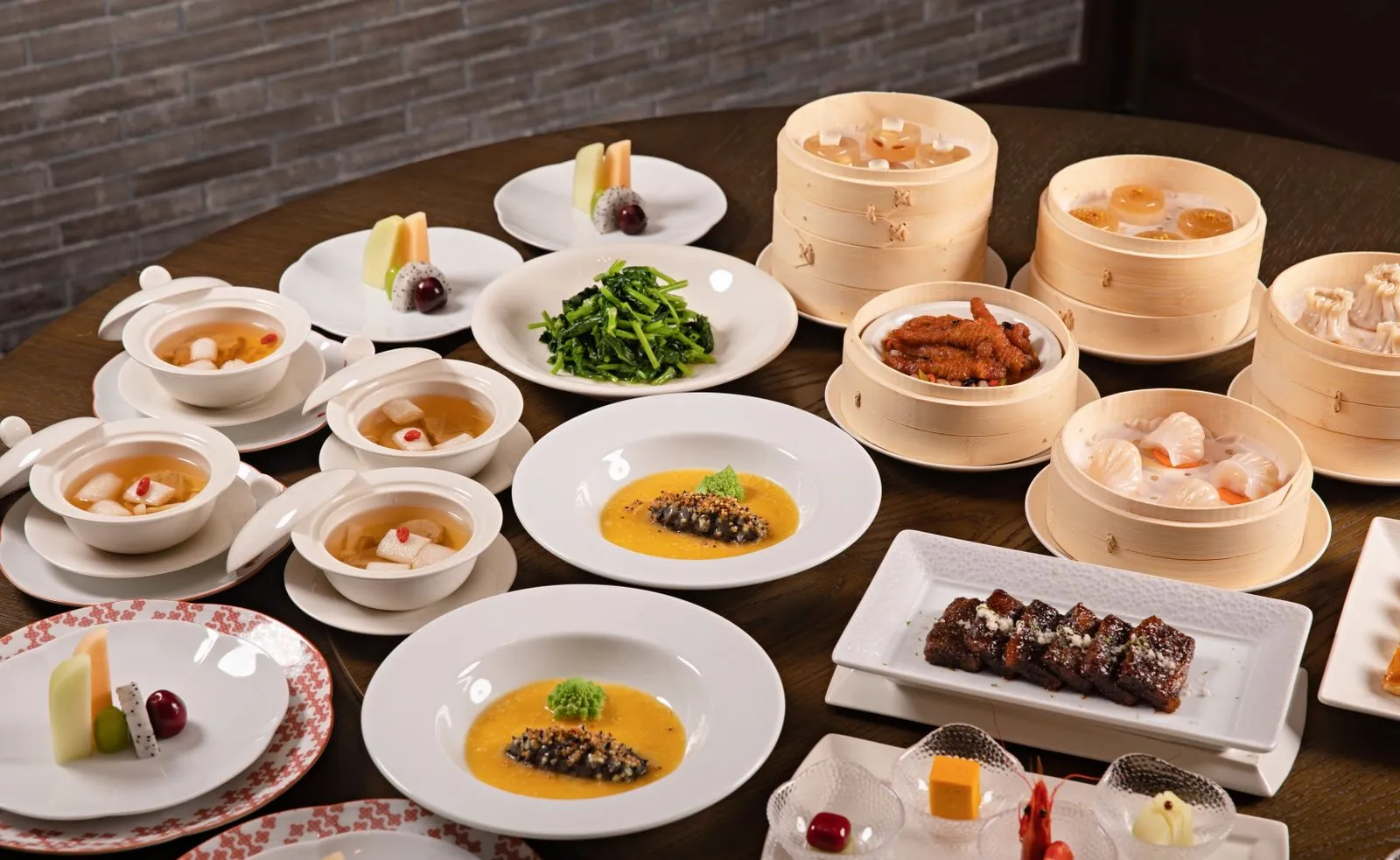
What is traditional Chinese food?
Chinese food in China bears little resemblance to the takeout you know. You won't run out of things to try — and thanks to mobile payment, even the smallest street stall is a tap away.
The regional map
China's eight great cuisines
Chinese chefs and food writers have grouped the country's cooking into eight regional traditions (八大菜系) for centuries. It's a rough map, not a strict border — but it explains why a meal in Chengdu tastes nothing like one in Suzhou, even though both are "Chinese food."
Sichuan 川菜
Numbing-and-hot (麻辣): Sichuan peppercorn plus dried chili, not just heat. Home turf: Chengdu and Chongqing — think mapo tofu, dan dan noodles, and hotpot.
Cantonese 粤菜
Light, fresh, ingredient-first — steaming and fast stir-frying to preserve natural flavor over heavy sauce. Home turf: Guangzhou, birthplace of dim sum and the tradition behind most "Chinese restaurants" abroad.
Shandong 鲁菜
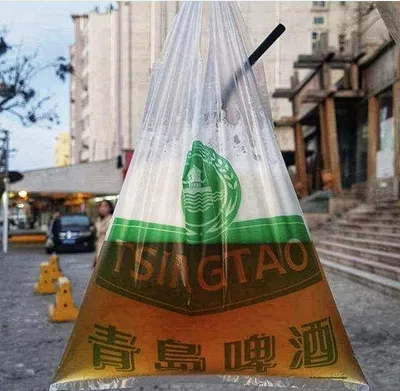
China's oldest documented regional cuisine and a major influence on northern and imperial Beijing cooking — braising, clear soups, and seafood along the coast. Home turf: coastal Shandong, including Qingdao.
Jiangsu 苏菜
Delicate knife work, clear broths, and a sweet-savory balance — the opposite instinct from Sichuan's heat. Home turf: Suzhou and Nanjing.
Zhejiang 浙菜
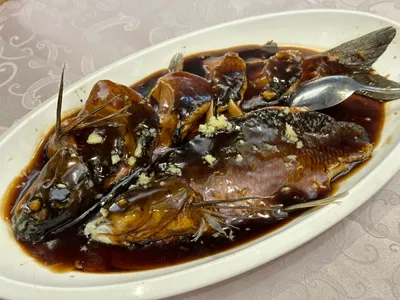
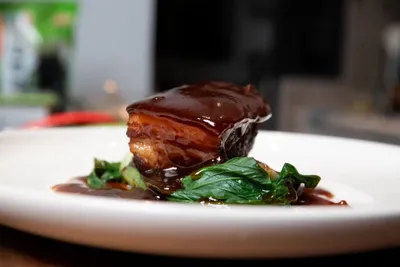
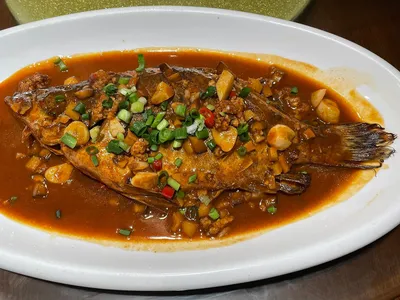
Fresh, light, often gently sweet, built around the region's lakes and rice country. Home turf: Hangzhou — West Lake fish, Dongpo pork.
Fujian 闽菜
Seafood-forward with distinctive broths and umami depth — the elaborate multi-ingredient soup "Buddha Jumps Over the Wall" is its best-known dish. Home turf: Xiamen.
Hunan 湘菜
Fiery, but a different heat from Sichuan — fresh chilies over numbing peppercorn, often paired with a sour edge. Home turf: Zhangjiajie and the wider Xiangxi region.
Anhui 徽菜
Built on wild mountain ingredients — bamboo shoots, mushrooms, river fish — cooked slow, with more braising and less stir-frying than the coastal cuisines. Home turf: Huangshan.
The eight cuisines at a glance
| Cuisine | Flavor profile | Signature dishes | Where to try it |
|---|---|---|---|
| Sichuan (川菜) | Numbing-hot "mala", chili oil, bold | Mapo tofu, kung pao chicken, Sichuan hotpot | Chengdu, Chongqing |
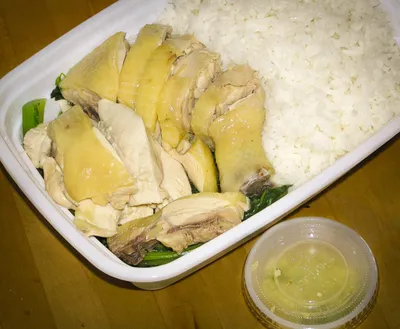
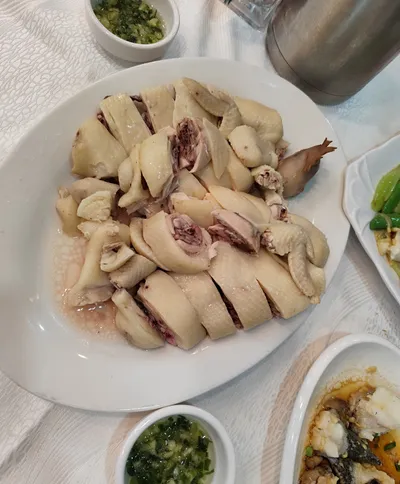
| Cantonese (粤菜) | Light, fresh, ingredient-first | Dim sum, char siu barbecue pork, white cut chicken | Guangzhou |
| Shandong (鲁菜) | Savory braises, clear soups, coastal seafood | Braised sea cucumber with scallions, sweet-and-sour carp | Qingdao |
| Jiangsu (苏菜) | Delicate, sweet-savory, refined knife work | Lion's head meatballs, squirrel-shaped mandarin fish | Suzhou, Nanjing |
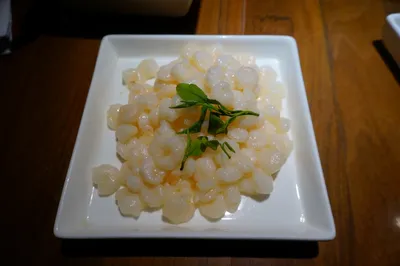
| Zhejiang (浙菜) | Fresh, gently sweet, lake and rice country | West Lake vinegar fish, Dongpo pork, Longjing shrimp | Hangzhou |
| Fujian (闽菜) | Seafood-forward, deep umami broths | Buddha Jumps Over the Wall, oyster omelette | Xiamen |
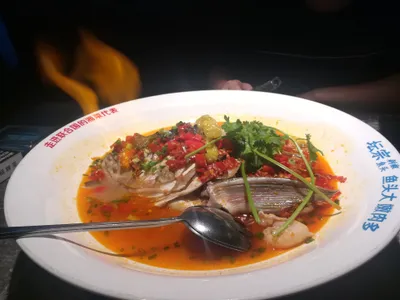
| Hunan (湘菜) | Fresh-chili hot with a sour edge | Steamed fish head with chopped chili, red-braised pork | Zhangjiajie region |
| Anhui (徽菜) | Mountain ingredients, slow braises | Stinky mandarin fish, braised bamboo shoots | Huangshan |
Where the eight-cuisine map came from
The classification wasn't invented by a tourism board. Chinese food writing first recognized four "great traditions" — Shandong, Sichuan, Cantonese, and Jiangsu — and the list grew to eight in the late Qing era as Zhejiang, Fujian, Hunan, and Anhui cooking earned separate status. Underneath all eight runs China's oldest culinary divide: wheat in the north (noodles, dumplings, steamed buns), rice in the south. That's why a Beijing breakfast is a wheat pancake and a Guangzhou breakfast is rice-noodle rolls — and why no single restaurant, in China or abroad, can honestly claim to serve "Chinese food" in general.
Start here
14 dishes worth an in-depth guide
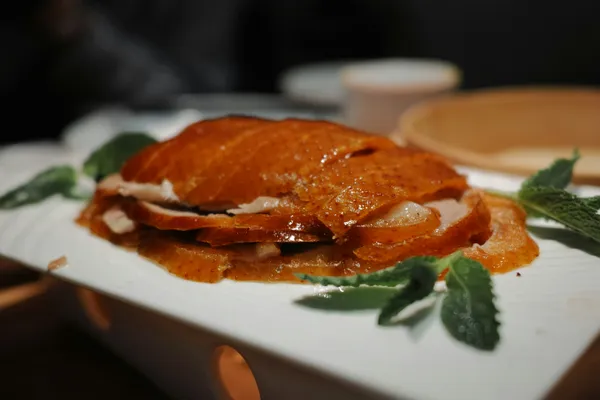
Peking Duck 北京烤鸭
Lacquered, crisp-skinned roast duck carved tableside, wrapped in thin pancakes with scallion and sweet bean sauce. The city's signature dish for six centuries.
Read the guide →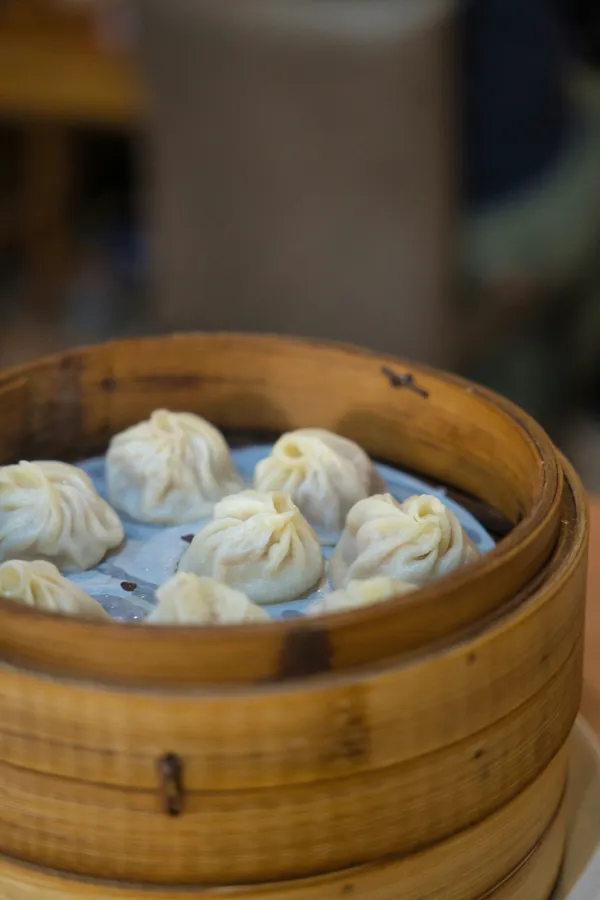
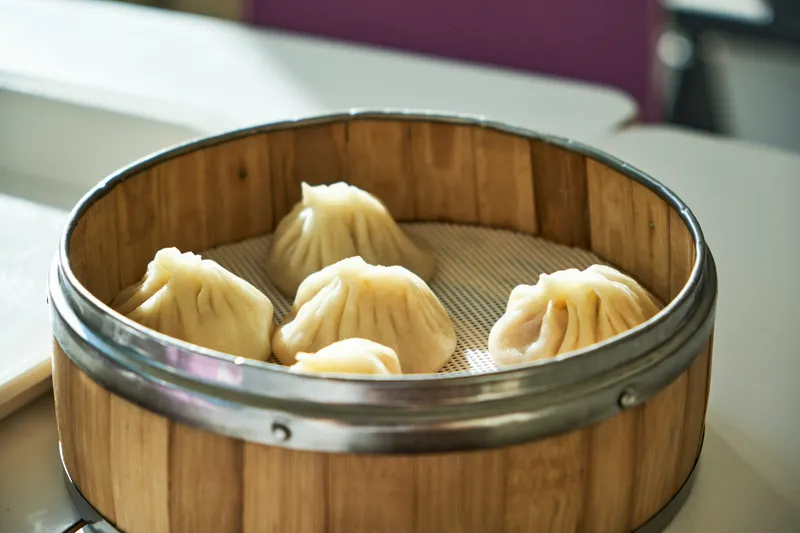
Xiaolongbao 小笼包
Shanghai's icon: delicate soup dumplings you nibble a hole in, sip the broth, then eat. Din Tai Fung is the reliable classic; Jia Jia Tang Bao is the local-favorite hole-in-the-wall.
Read the guide →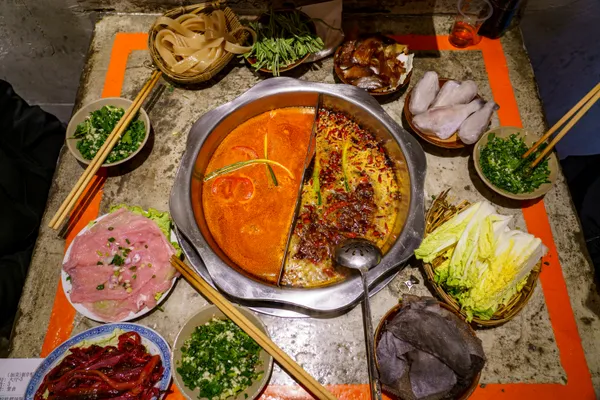
Sichuan Hotpot 火锅
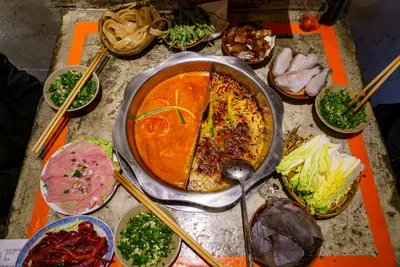
Chengdu's defining ritual: a split cauldron of numbing-spicy málà broth (chilies and Sichuan peppercorns) you cook at the table. Order a mild broth on one side if you're spice-shy — you still get the full experience.
Read the guide →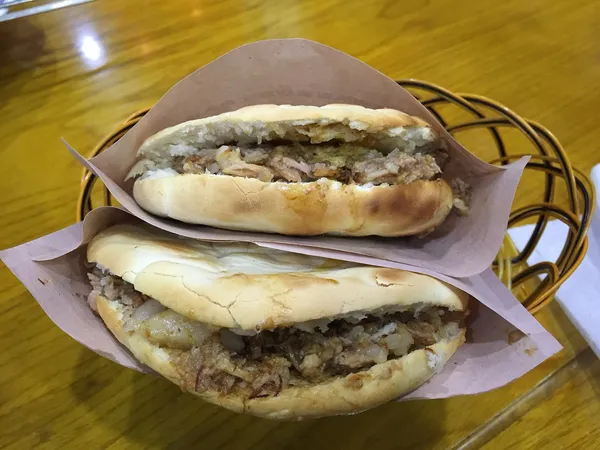
Roujiamo 肉夹馍
China's original 'burger' — slow-braised, cumin-and-spice pork chopped fine and stuffed into a griddle-baked flatbread. Crisp outside, juicy inside, and older than the word 'hamburger.'
Read the guide →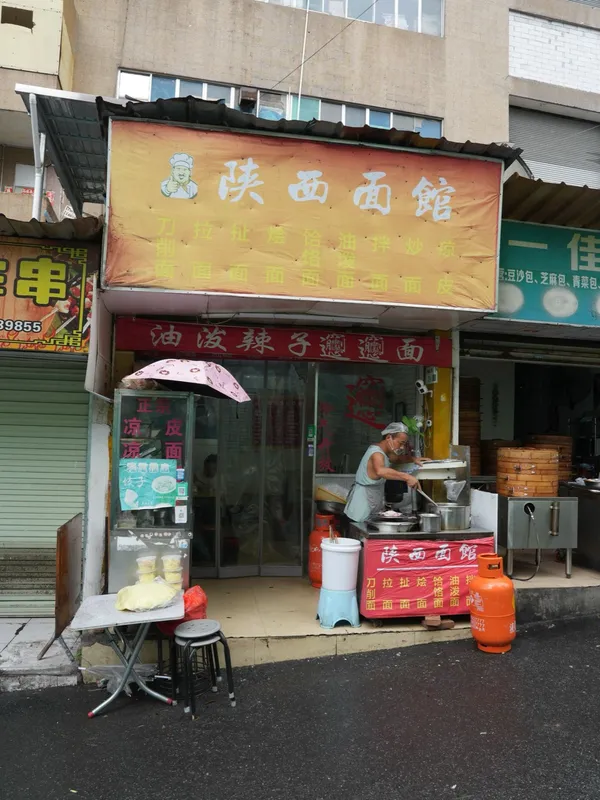
Biangbiang Noodles biángbiáng面
Belt-wide, hand-slapped wheat noodles — the name imitates the sound of the dough hitting the counter — tossed with chili oil, garlic, and vinegar. The character for 'biáng' is so complex it isn't in most fonts.
Read the guide →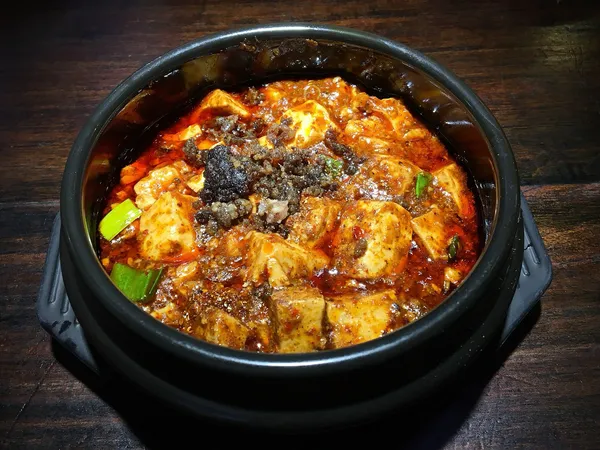
Mapo Tofu 麻婆豆腐
Silken tofu simmered in a fiery, numbing sauce of fermented chili bean paste, black bean, and minced beef or pork — named for the pockmarked grandmother said to have invented it in 19th-century Chengdu.
Read the guide →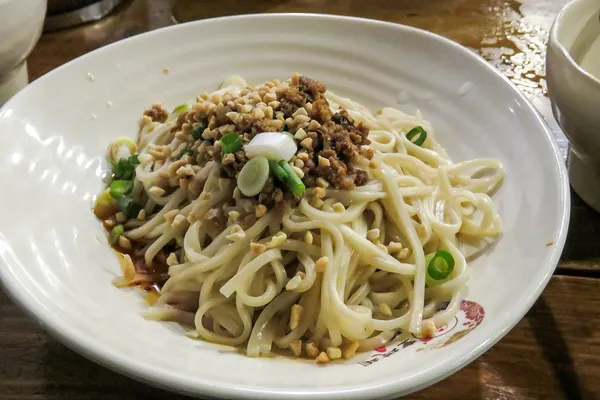
Dan Dan Noodles 担担面
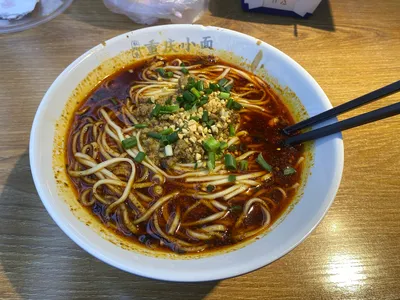
A small bowl with an outsized punch: thin wheat noodles tossed in chili oil, Sichuan peppercorn, preserved vegetable, and minced pork, topped with crushed peanuts. Originally sold from shoulder-pole street vendors.
Read the guide →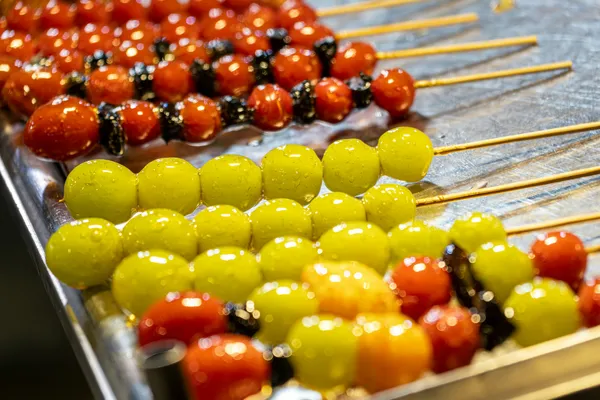
Tanghulu 糖葫芦
Fruit in a glassy hard-sugar shell — hawthorn is the tart-sweet classic, and stalls now skewer grapes, strawberries, and cherry tomatoes too. Winter's street snack, sold year-round.
Read the guide →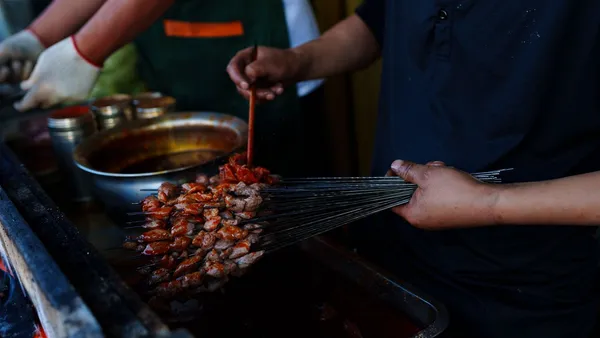
Lamb Skewers 羊肉串
Cumin-and-chili dusted lamb grilled over charcoal — the smell of a Beijing summer evening. Order by the handful with grilled flatbread.
Read the guide →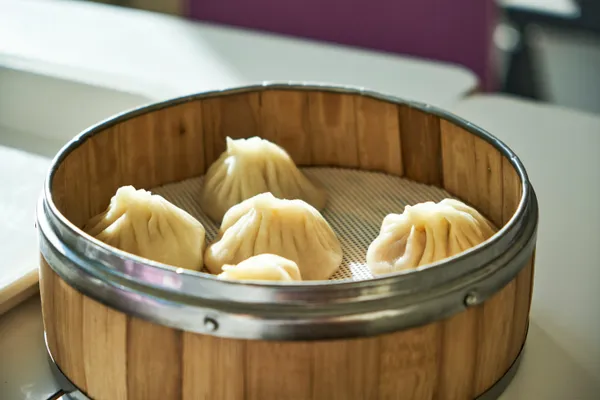
Boiled Dumplings 饺子
Northern China's staple: juicy pork-and-cabbage or egg-and-chive parcels — boiled or steamed — eaten by the dozen with black vinegar. Vegetarian fillings are on almost every menu.
Read the guide →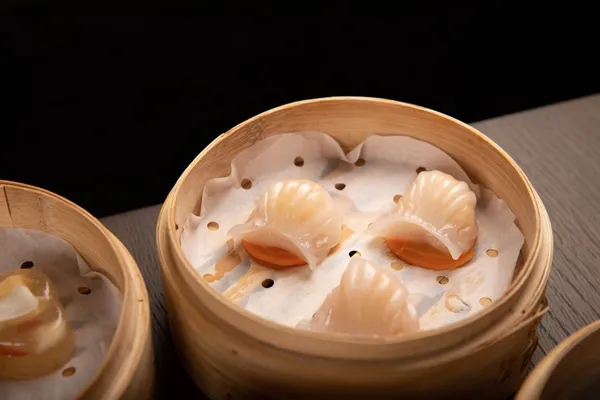
Yum Cha (Dim Sum) 广式早茶
Guangzhou invented this ritual: bottomless tea and small steamer baskets of shrimp dumplings, barbecued pork buns, and dozens of other bite-sized dishes, ordered continuously through a long, unhurried brunch. Har gow — pleated, translucent shrimp dumplings — is the dish to judge a place by.
Read the guide →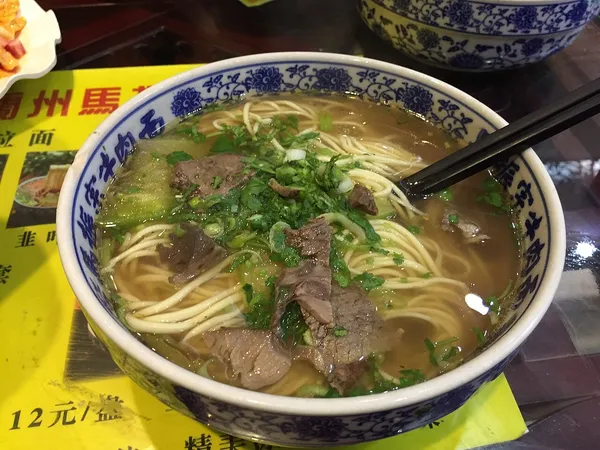
Lanzhou Beef Noodles 兰州牛肉面
Hand-pulled wheat noodles in a clear, peppery beef broth, topped with sliced beef, a slick of chili oil, and radish — invented in nearby Lanzhou, the provincial capital, and eaten across Gansu (and honestly, in some form, in every Chinese city). You can watch the dough get stretched and slapped into noodles right at the counter.
Read the guide →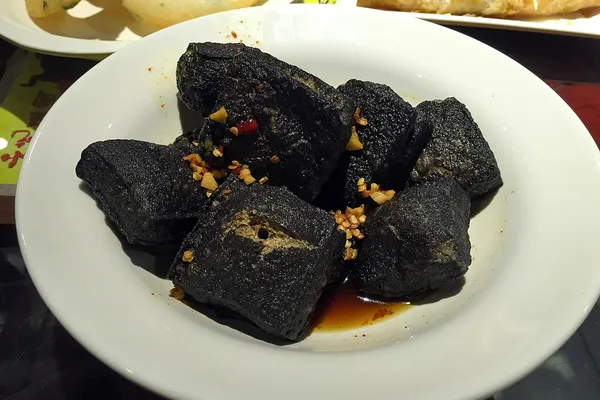
Stinky Tofu 臭豆腐
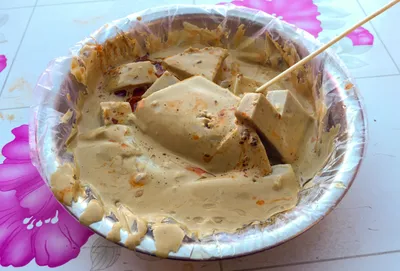
Tofu fermented in a brine until it turns black and pungent, then deep-fried to a crisp shell and doused in chili oil, garlic, and cilantro — the smell announces it a block away, but the taste is far milder than the reputation suggests. Changsha, a short high-speed rail ride from Zhangjiajie, is the dish's spiritual home, and it's on nearly every Hunan street-food menu.
Read the guide →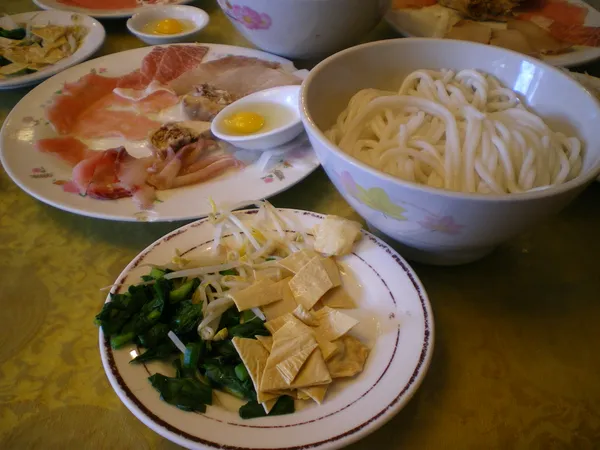
Crossing-the-Bridge Noodles 过桥米线
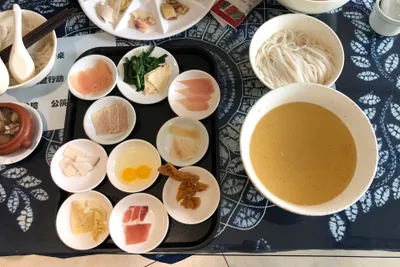
Yunnan's most famous dish, properly done: a bowl of scalding pork or chicken broth sealed under a layer of oil so it stays hot, brought to the table with separate plates of raw meat slices, egg, vegetables, and rice noodles that you tip in yourself, cooking in the residual heat. The dish traces back to Mengzi and Jianshui in Honghe Prefecture, but it was Kunming — where a Republic-era restaurant called Dexinyuan popularized it in the early 1900s — that turned it into Yunnan's national dish.
Read the guide →Keep exploring
71 more dishes, by region
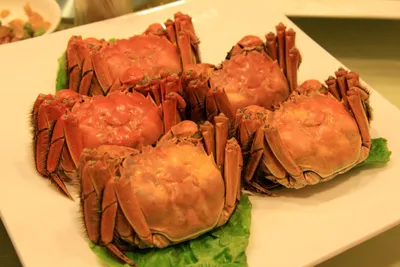
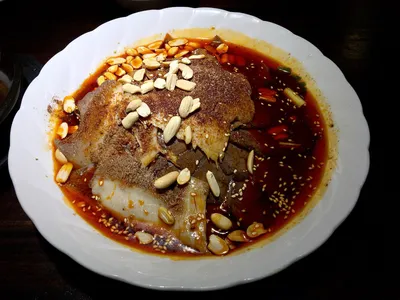
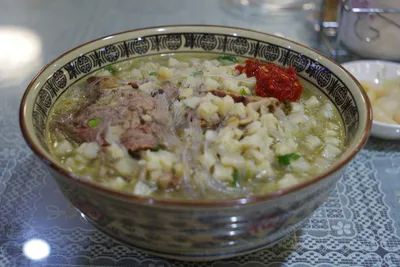
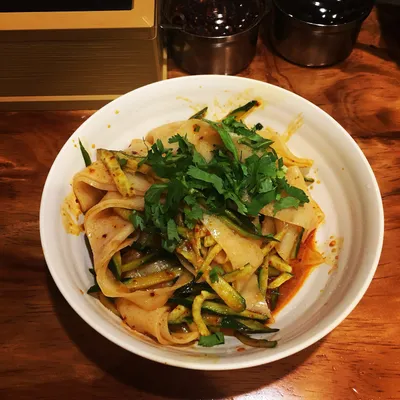
Everything else worth ordering, grouped by the city where it's most at home — each links back to that city's full guide.
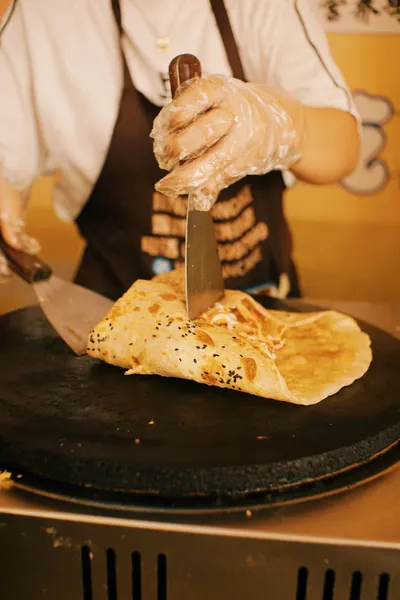
Chengdu
Chongqing
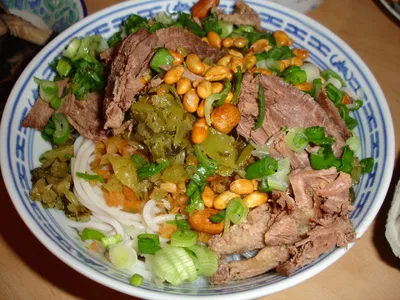
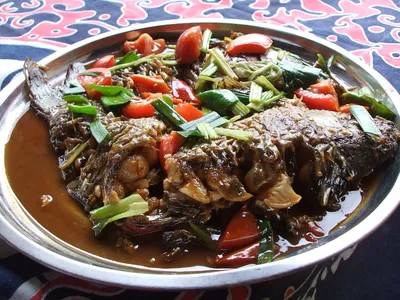
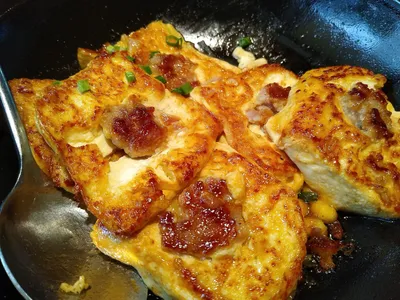
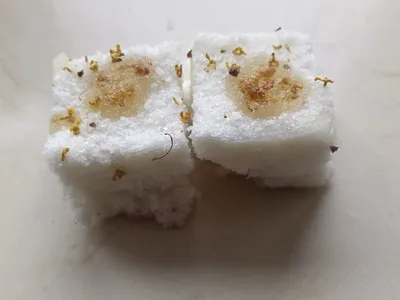
Guilin & Yangshuo
Hangzhou
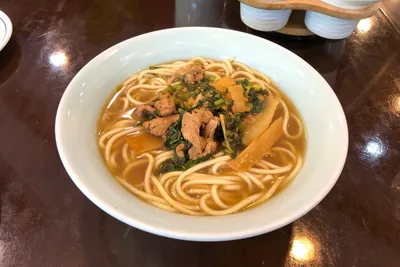
Suzhou
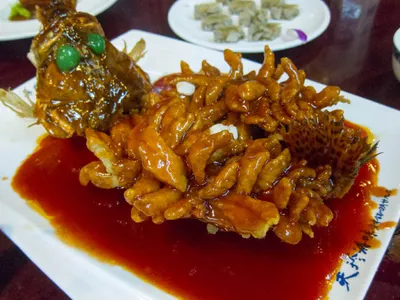
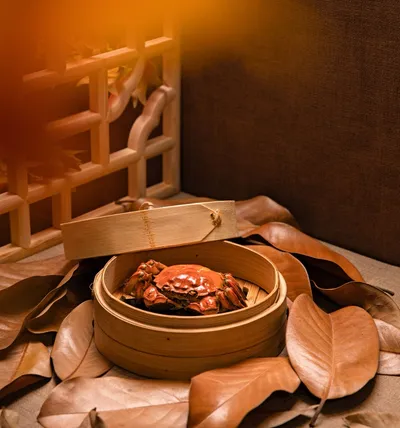
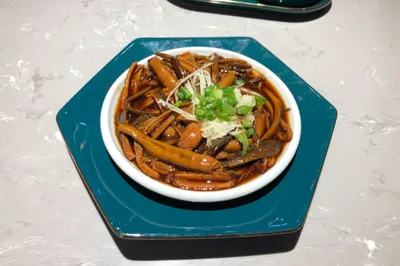
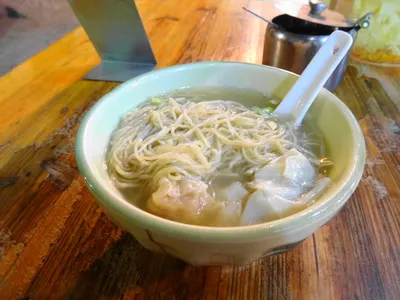
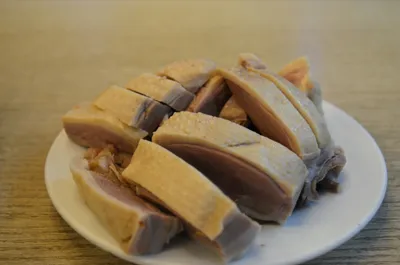
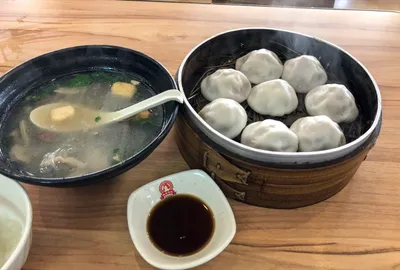
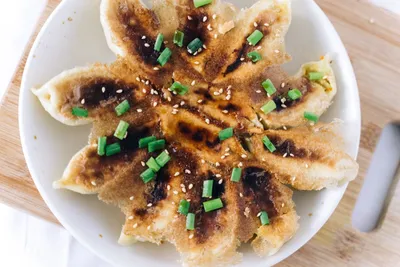
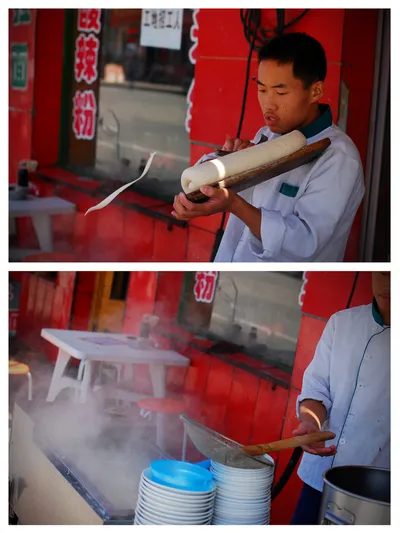
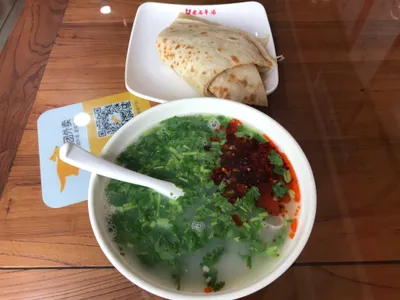
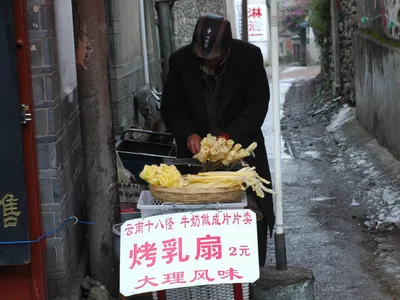
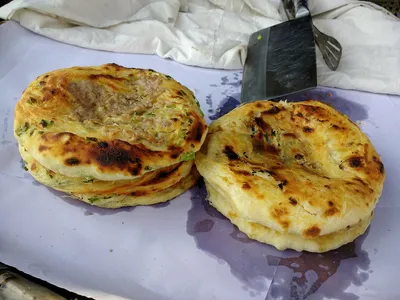
Is street food in China safe?
Generally, yes — and it's some of the best eating you'll do. The rule of thumb travelers use everywhere applies here: eat where it's busy. High turnover means fresh food and hot woks. A stall with a queue of locals is a safer bet than an empty restaurant.
- Follow the crowds — busy stalls cook fast and fresh.
- Eat it hot — food straight off the wok or steamer is safest.
- Drink bottled or boiled water — skip tap water and ice you're unsure about.
- Ease in — give your stomach a day or two before the spiciest adventures.
Practical guides
Eat with confidence
What to eat first →
The easiest first meals, breakfast staples, a beginner's hot pot order, and street food that's actually safe.
How locals pick a restaurant →
Why 4.7 stars is a warning, what the Must-Eat List and Black Pearl mean, and reading reviews like a local.
How to book a restaurant →
Which places need reservations, the hotel-desk trick, phone phrases, and queue-number culture.
How to order food →
Picture menus, QR-code ordering, and copy-ready phrases for allergies and spice levels.
Dining etiquette →
The chopstick taboo, how sharing works, tea etiquette, tipping, and who pays.
Vegetarian & vegan →
The hidden-meat traps, safe dishes to order, temple restaurants, and phrases.
Halal food →
Spotting real qingzhen signage, the cities with real Hui Muslim food traditions, and phrases.
Chinese Muslim cuisine →
Hui noodles and lamb versus Uyghur pilaf and clay-oven bread — what to order and where each is best.
Frequently asked questions
- What are the must-try dishes in China?
- Peking duck in Beijing, xiaolongbao in Shanghai, hotpot in Sichuan/Chongqing, roujiamo and biangbiang noodles in Xi'an, and mapo tofu or dan dan noodles wherever you find good Sichuan food. Each region has its own icon dish worth planning a meal around.
- Is street food in China safe?
- Generally yes — the rule of thumb travelers use everywhere applies here: eat where it's busy. High turnover means fresh food and hot woks. A stall with a queue of locals is a safer bet than an empty restaurant.
- How do I order food if I don't speak Chinese?
- Most city restaurants now use QR-code menus with photos, and translation apps handle the rest. See our how-to-order guide for copy-ready phrases covering allergies, spice levels, and dietary restrictions.
Facts verified 2026-07-07. Photos: licensed travel photography; app screenshots elsewhere on this site are our own. Photo credits: Roujiamo photo: N509FZ, CC BY-SA 4.0, via Wikimedia Commons · Mapo tofu photo: ZhengZhou, CC BY-SA 4.0, via Wikimedia Commons · Dan dan noodles photo: N509FZ, CC BY-SA 4.0, via Wikimedia Commons · Lanzhou beef noodles photo: N509FZ, CC BY-SA 4.0, via Wikimedia Commons · Stinky tofu photo: N509FZ, CC BY-SA 4.0, via Wikimedia Commons · Crossing-the-bridge noodles photo: tak.wing, CC BY-SA 2.0, via Wikimedia Commons · Zhajiangmian photo: N509FZ, CC BY-SA 4.0, via Wikimedia Commons · Douzhir photo: 荧_Lumine, CC BY 2.0, via Wikimedia Commons · Shengjianbao photo: Metaphox, CC BY 2.0, via Wikimedia Commons · Hongshaorou photo: avlxyz, CC BY-SA 2.0, via Wikimedia Commons · Hairy crab photo: Kentaro Iemoto, CC BY-SA 2.0, via Wikimedia Commons · Fuqi feipian photo: ZhengZhou, CC BY-SA 4.0, via Wikimedia Commons · Yangrou paomo photo: Danielinblue, CC BY-SA 3.0, via Wikimedia Commons · Chongqing xiaomian photo: 瑞丽江的河水, CC BY-SA 4.0, via Wikimedia Commons · Guilin rice noodles photo: gigijin, CC BY-SA 2.0, via Wikimedia Commons · Yangshuo beer fish photo: Filipe Fortes, CC BY-SA 2.0, via Wikimedia Commons · West Lake fish photo: Zheng Zhou, CC BY-SA 4.0, via Wikimedia Commons · Longjing shrimp photo: 猫猫的日记本, CC BY-SA 4.0, via Wikimedia Commons · Beggar's chicken photo: Zheng Zhou, CC BY-SA 4.0, via Wikimedia Commons · Pian er chuan photo: N509FZ, CC BY-SA 4.0, via Wikimedia Commons · Squirrel fish photo: Charles Haynes, CC BY-SA 2.0, via Wikimedia Commons · Sizzling eel photo: N509FZ, CC BY-SA 4.0, via Wikimedia Commons · Suzhou mooncake photo: Dllu, CC BY-SA 4.0, via Wikimedia Commons · Sampan congee photo: ZhengZhou, CC BY-SA 4.0, via Wikimedia Commons · Wonton noodles photo: DragonSamYU, CC BY-SA 4.0, via Wikimedia Commons · Nanjing salted duck photo: AddisWang, CC BY-SA 3.0, via Wikimedia Commons · Duck blood soup photo: N509FZ, CC BY-SA 4.0, via Wikimedia Commons · Cured pork photo: Peachyeung316, CC BY-SA 4.0, via Wikimedia Commons · Chili fish head photo: Huangdan2060, CC BY 3.0, via Wikimedia Commons · Guobaorou photo: UjuiUjuMandan, CC BY-SA 4.0, via Wikimedia Commons · Modeler ice cream photo: Hehua, CC BY 4.0, via Wikimedia Commons · Stinky mandarin fish photo: Zheng Zhou, CC BY-SA 4.0, via Wikimedia Commons · Hairy tofu photo: EditQ, CC BY-SA 4.0, via Wikimedia Commons · Pingyao beef shop photo: Gisling, CC BY-SA 3.0, via Wikimedia Commons · Oat noodle rolls photo: N509FZ, CC BY-SA 4.0, via Wikimedia Commons · Wantuo photo: N509FZ, CC BY-SA 4.0, via Wikimedia Commons · Crossing-the-bridge noodles photo: N509FZ, CC BY-SA 4.0, via Wikimedia Commons · Beer-in-a-bag photo: Dan Nevill, CC BY 2.0, via Wikimedia Commons · Shacha noodles photo: Xmhaoyu, CC BY 3.0, via Wikimedia Commons · Tusun jelly photo: Caizzz, CC BY-SA 4.0, via Wikimedia Commons · Knife-cut noodles photo: 齐健, CC BY 2.0, via Wikimedia Commons · Lamb offal soup photo: Suginami, CC BY-SA 4.0, via Wikimedia Commons · Grilled rushan photo: tak.wing, CC BY-SA 2.0, via Wikimedia Commons · Grilled erkuai photo: David Hall, CC BY 2.0, via Wikimedia Commons · Fish stew photo: Lee Milo, Unsplash License · Hu la tang photo: Liuxingy, CC BY-SA 4.0, via Wikimedia Commons · Donkey meat noodles photo: N509FZ, CC BY-SA 4.0, via Wikimedia Commons · Qingbuliang photo: N509FZ, CC BY-SA 4.0, via Wikimedia Commons · Coconut chicken soup photo: Jpatokal, CC BY-SA 4.0, via Wikimedia Commons · Qiguo ji photo: Shizhao, CC BY-SA 3.0, via Wikimedia Commons.