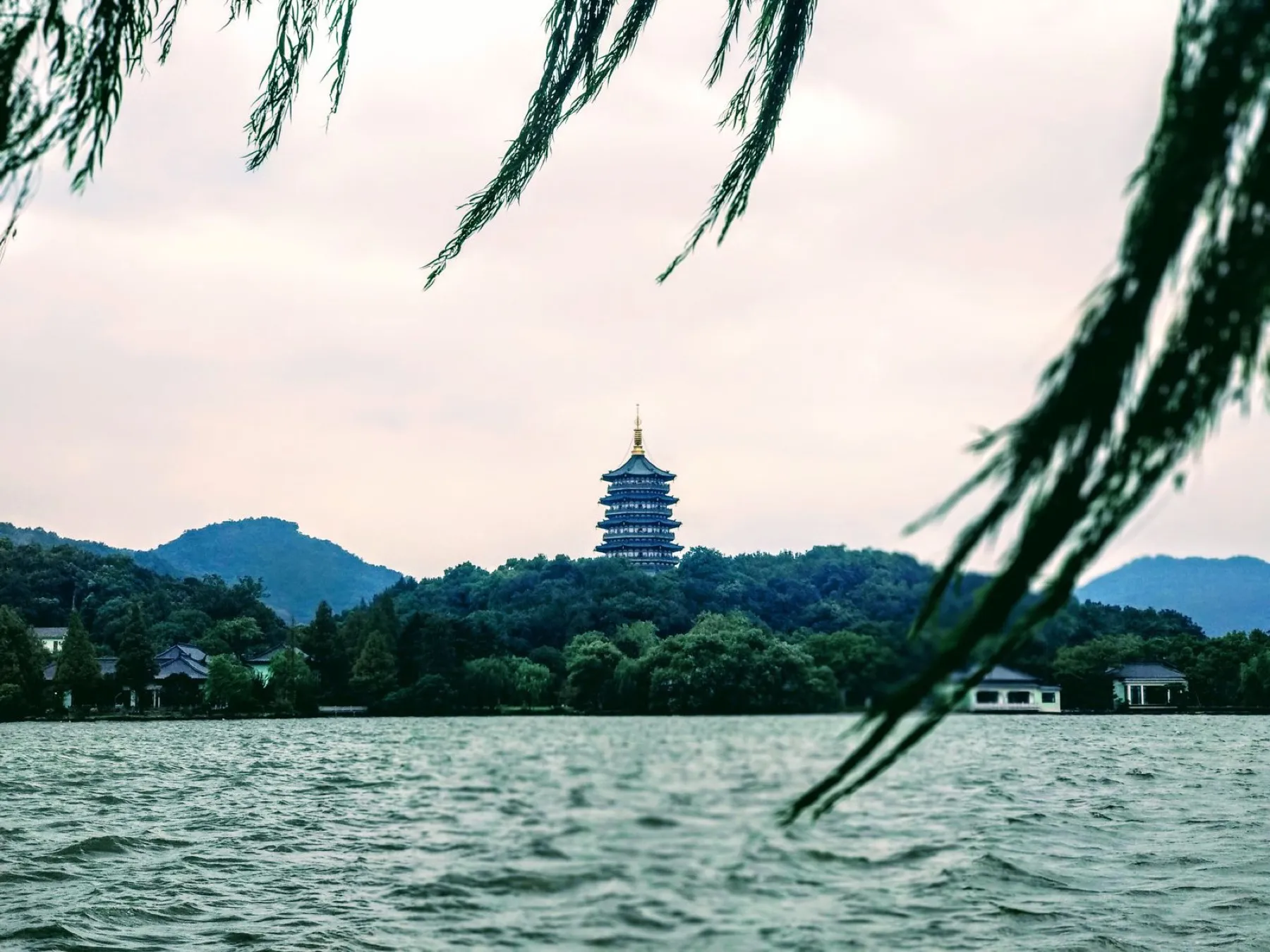
Leifeng Pagoda rising above the treeline on West Lake, framed by willow branches

City guide · Verified 2026-07-22

Hangzhou

A thousand years of poetry written about one lake — willow-lined causeways, Buddhist grottoes, and the terraced hills where your tea actually grows.

Airport
HGH (Hangzhou Xiaoshan); 45 min by high-speed rail from Shanghai
Best seasons
March–May and September–November
Days needed
1 day for West Lake as a Shanghai day trip; 2-3 for tea country and the canal
Famous for
West Lake, Longjing tea, Song-dynasty history
Base yourself
Near West Lake's north or east shore, walkable to Lingyin Temple and Hefang Street

Hangzhou Travel Guide: What to Know Before You Go

The short version: Hangzhou is built around West Lake, a UNESCO site that's inspired a thousand years of Chinese poetry, with Longjing tea country in the surrounding hills. It's an easy day trip from Shanghai (45 minutes by high-speed rail) for West Lake alone, or 2-3 days to add tea country and the canal.

The essentials

What to see — and what to know before you go

Lingyin Temple's scenic area needs a free reservation a day ahead; everything else is walk-up. Verified 2026-07-22.

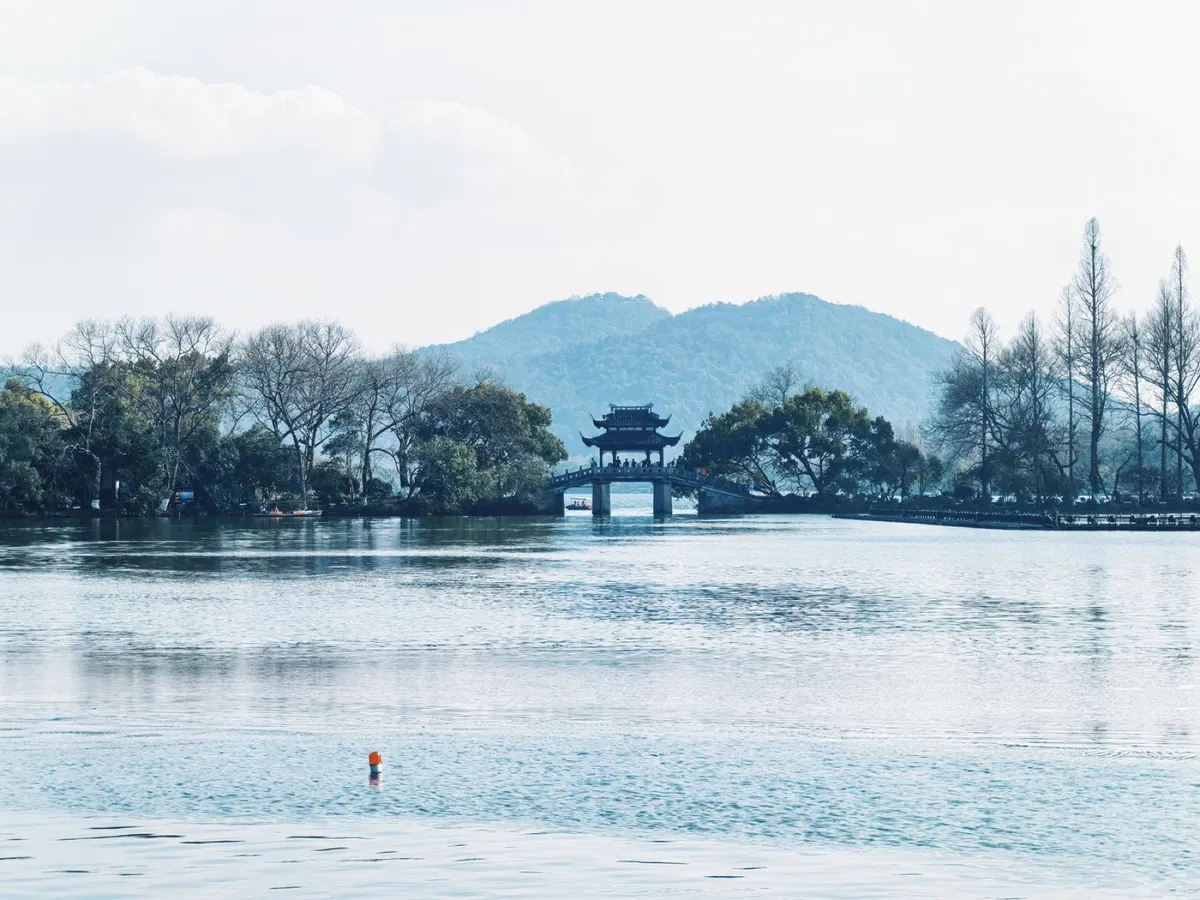
A traditional pavilion on a stone bridge over West Lake with mountains behind

West Lake 西湖

~3 hoursFree — no gate, no ticket

The reason Hangzhou is on any itinerary: a UNESCO-listed lake ringed by willow-lined causeways, arched bridges, and pavilions that have inspired Chinese poetry and painting for a thousand years. Walk, cycle, or just sit — there's no wrong way to spend a few hours here.

Local tipWalk the Su Causeway or Bai Causeway rather than staying on the busier eastern shore — that's where the classic postcard views are.
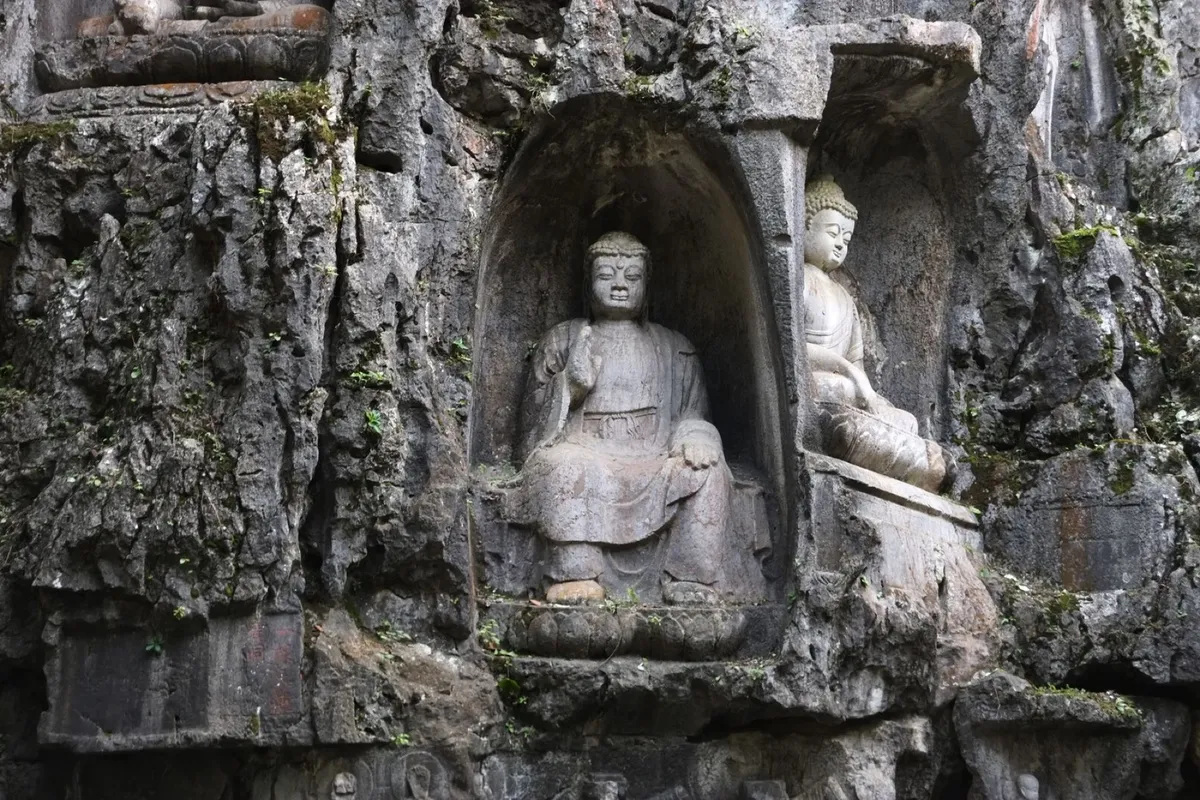
Weathered Buddhist rock carvings in niches cut into the cliff face at Feilai Peak

Lingyin Temple & Feilai Peak 灵隐寺·飞来峰

~3 hoursScenic area (Feilai Peak) free; Lingyin Temple interior ¥30

One of China's most important Buddhist temples, founded in 328 CE, backed onto a hillside of over 380 Buddhist and Taoist rock carvings dating from the 10th-14th centuries at Feilai Peak. The grottoes alone are worth the trip even before you reach the temple halls.

Booking — 1 days aheadFree timed-entry reservation for the scenic area via WeChat/Alipay mini-program, at least 1 day ahead — no same-day booking. Daily caps (35,000 weekdays / 50,000 weekends / 65,000 holidays) mean popular dates can fill up. The temple hall itself is a separate ¥30 ticket bought on site.

Local tipReserve the scenic-area slot the moment your date is fixed — there's no same-day option if you forget.

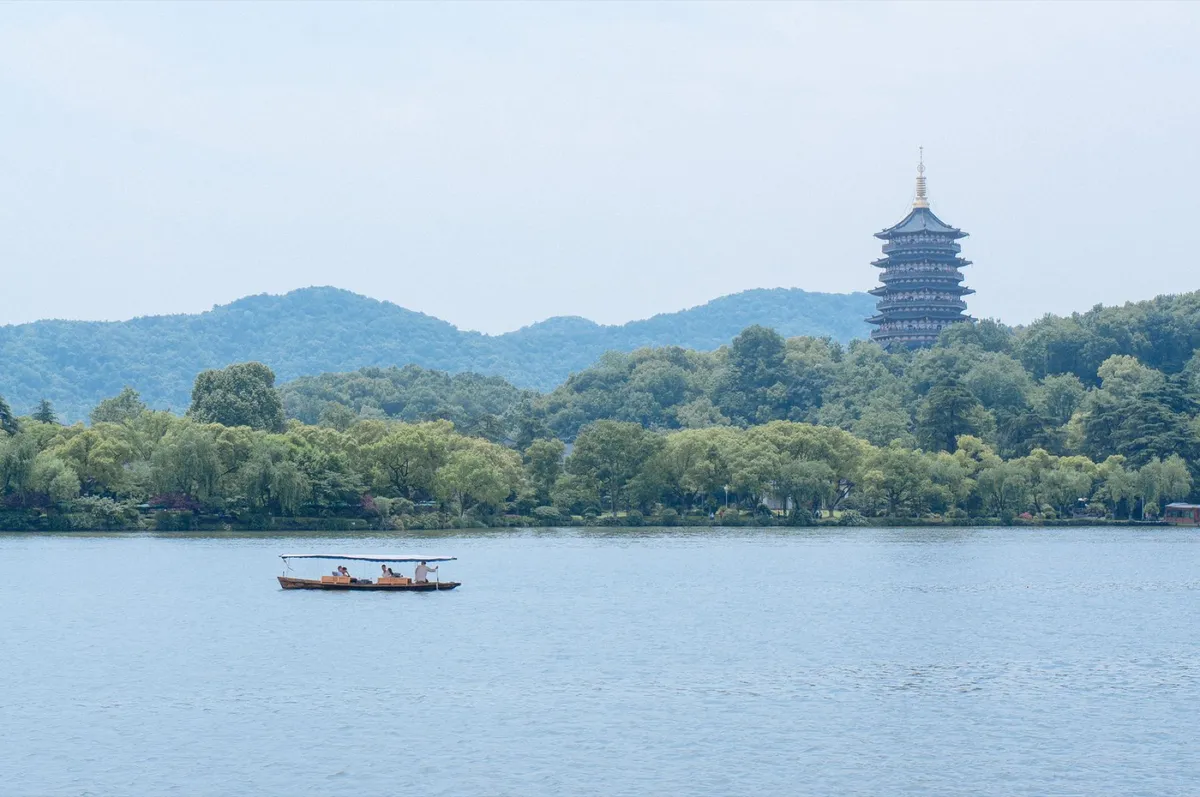
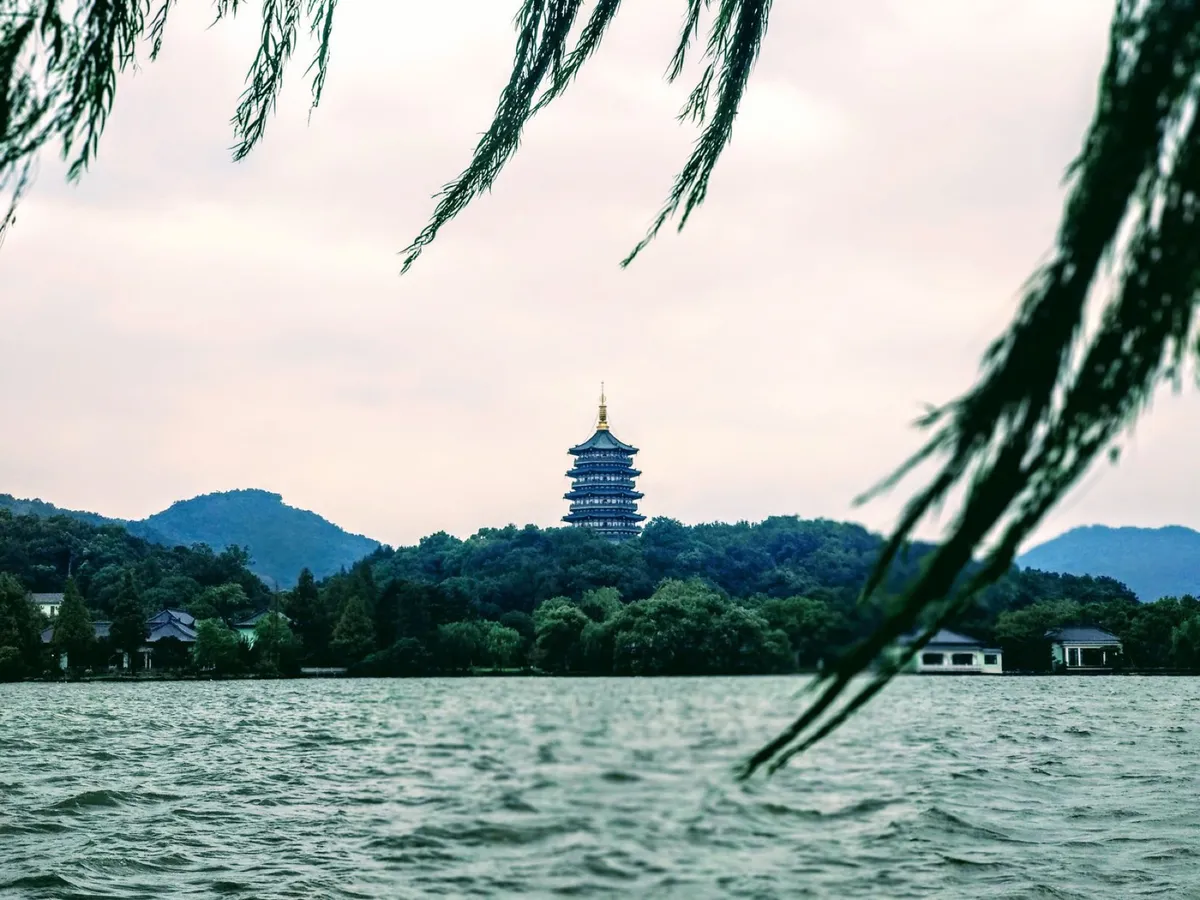
Leifeng Pagoda rising above the treeline on West Lake, framed by willow branches

Leifeng Pagoda 雷峰塔

~1.5 hours¥40

A rebuilt five-story pagoda on the lake's south shore, forever tied to the folk tale of the White Snake sealed beneath its original foundations. Climb inside for the best elevated views over West Lake, especially at sunset.

Local tipThe excavated ruins of the original Song-dynasty pagoda are preserved under glass at the base — don't skip them on the way up.

A traditional canopied boat crossing West Lake with Leifeng Pagoda visible on the shore

West Lake Cruise to Three Pools Mirroring the Moon 西湖游船·三潭印月

~2 hours¥55 (leisure boat) / ¥70 (painted pleasure boat) — includes island admission

The three stone lanterns rising from the water here are the image on the back of China's ¥1 note. Boats from several piers around the lake include admission to Xiaoyingzhou island, the best on-water way to see West Lake's causeways and pavilions from the middle out.

TicketsBuy at any lakeside dock; no advance booking needed. Last boarding for the island is 4pm, last boat back at 5pm.

Local tipPainted pleasure boats and plain leisure boats both include the island ticket — pick by budget, not by view.

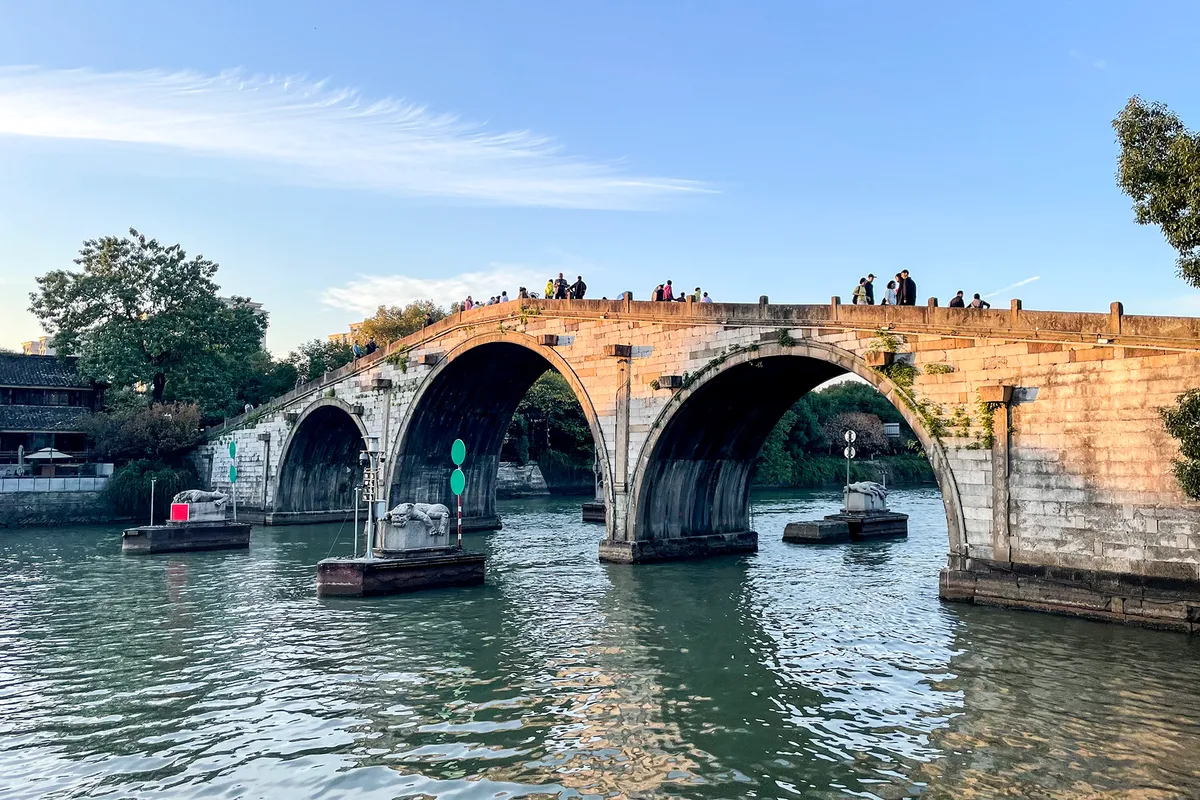
The stone multi-arch Gongchen Bridge over the Grand Canal with pedestrians crossing

Grand Canal & Gongchen Bridge 京杭大运河·拱宸桥

~2 hoursBridge and walkways free; water bus ¥3-5; scenic night cruise ¥100-120

Hangzhou is the southern terminus of the 1,400-year-old, 1,700km Beijing-Hangzhou Grand Canal — still a working waterway, not a museum piece. The 14th-century stone arch Gongchen Bridge is the classic photo spot; ride the cheap public water bus or a lantern-lit evening cruise to see the canal itself.

Local tipSkip the pricier tour-boat packages and just take the public water bus (¥3-5) from Wulinmen Pier — same canal, a fraction of the price.

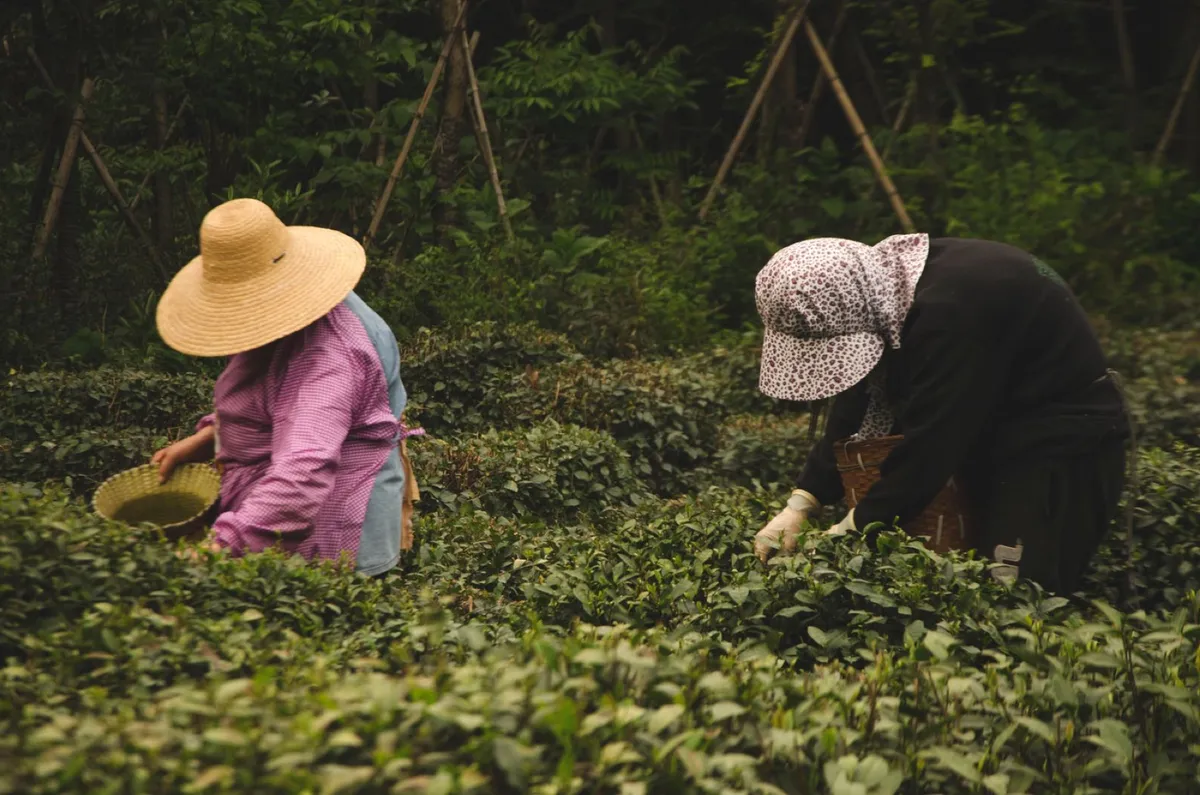
Two tea pickers working rows of tea bushes on a terraced hillside near Hangzhou

Longjing Tea Village 龙井村·梅家坞

~3 hoursFree to walk; tea tasting extra, price varies by farmer

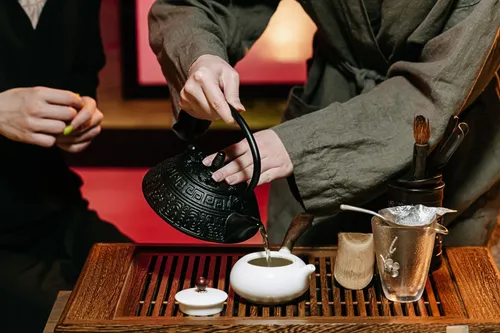
The hillside villages where West Lake Longjing (Dragon Well) tea is actually grown — walk the terraced slopes, watch leaves being pan-fired by hand in spring, and sit down for a tasting at a farmer's house. The free China National Tea Museum nearby adds context.

Local tipTaste before you buy, and agree on the price per 500g before it's weighed — 'authentic West Lake Longjing' pushed hard on tourists is often ordinary tea from elsewhere.

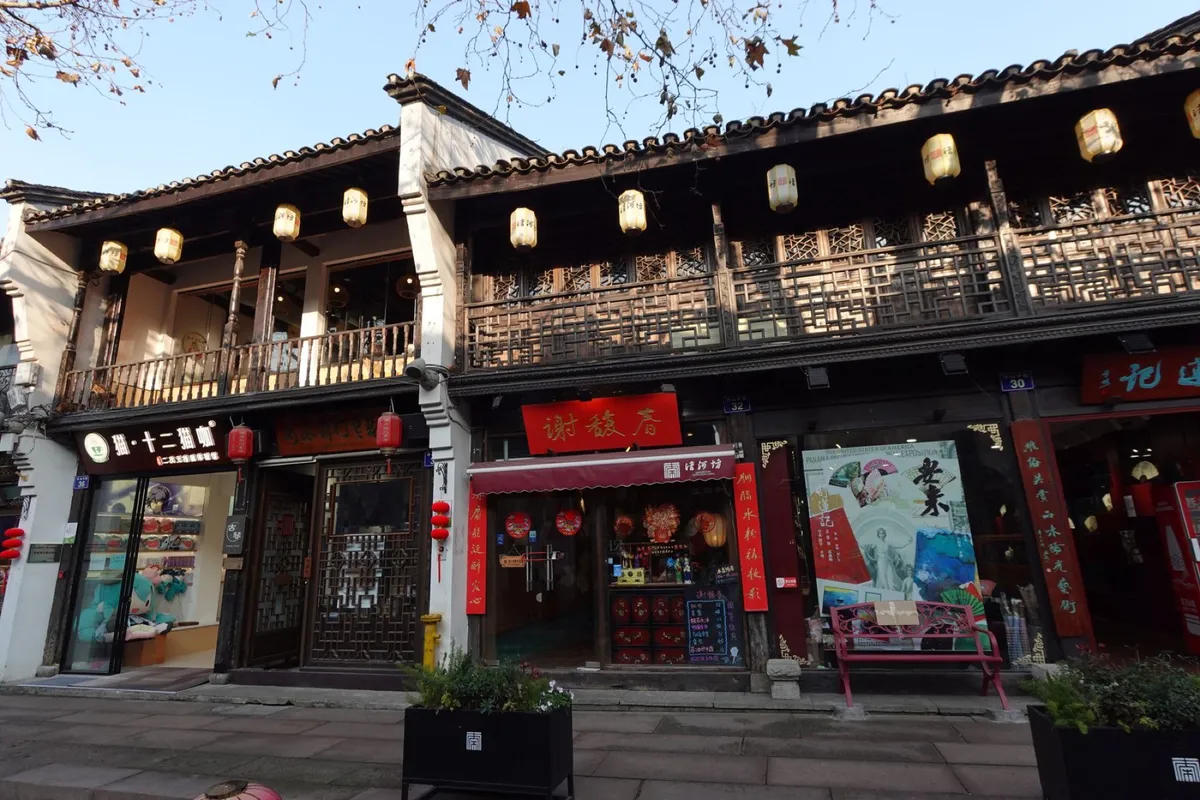
A traditional two-story shopfront with red lanterns along Hefang Street in Hangzhou

Hefang Street 河坊街

~2 hoursFree to explore

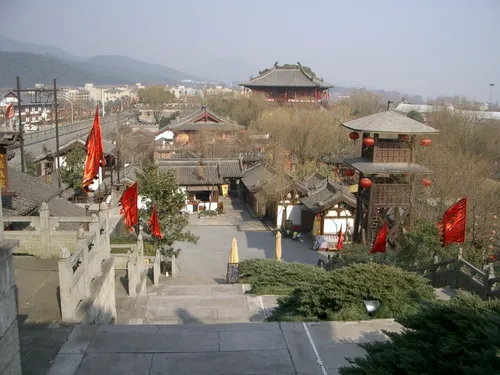
A Southern Song-era street lined with century-old shops — traditional medicine halls, the Zhang Xiaoquan scissors shop, tea houses — plus a solid street-snack crawl. Touristy, but genuinely old under the souvenir stalls.

Local tipThe far end has the best street-food stalls (stinky tofu, caramelized chestnuts) — don't stop at the souvenir-heavy entrance.

What to eat

Hangzhou's must-eat list

Five things worth planning a meal around — with dietary flags so nobody at the table gets a surprise. Deep dives live in our food guides; vegetarians, start here. The West Lake institutions fill up at dinner — see booking a table in China before you set your heart on one.

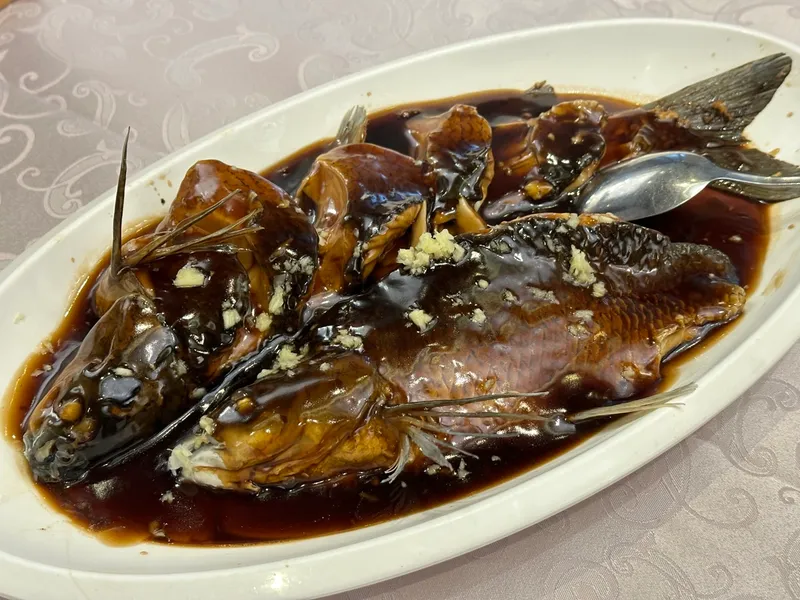
A whole fish in dark vinegar-ginger sauce on an oval plate, West Lake fish in vinegar gravy

West Lake Fish in Vinegar Gravy 西湖醋鱼

A whole freshwater fish, poached and served under a glossy sweet-and-sour vinegar-ginger sauce. Hangzhou's signature dish for centuries — the sauce, not the fish, is the point.

WhereLouwailou (楼外楼) on the lakeshore — the restaurant most associated with the dish

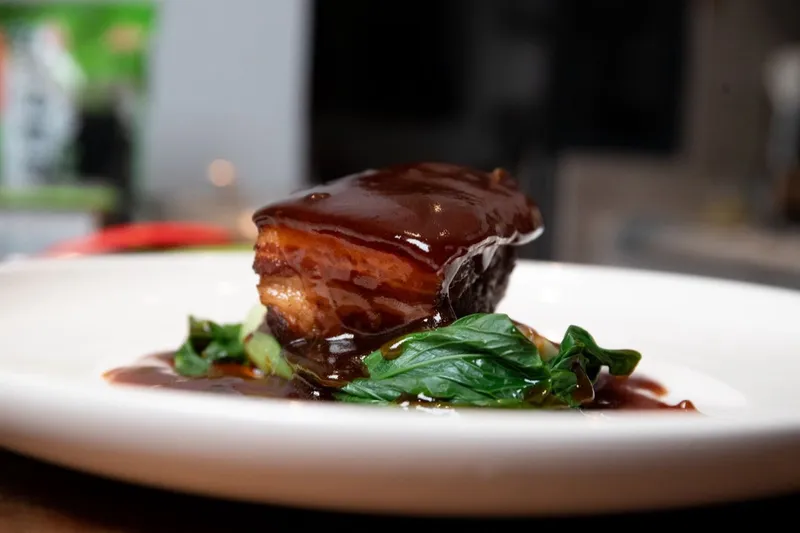
    A glazed square of braised Dongpo pork belly with sauce over greens

    Dongpo Pork 东坡肉

    A thick square of pork belly, slow-braised in soy sauce, sugar, and Shaoxing wine until the skin turns glossy and the fat melts to nothing. Named for Song-dynasty poet Su Dongpo, who is said to have invented it while governor of Hangzhou.

    WhereLouwailou or any traditional Hangzhou (本帮/杭帮) restaurant

    • 🍶 contains alcohol
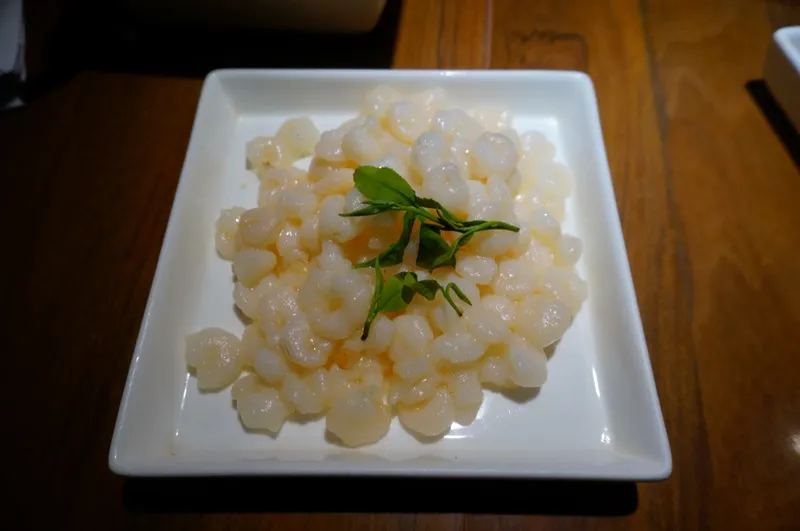
    A plate of pale stir-fried Longjing shrimp garnished with tea leaves

    Longjing Shrimp 龙井虾仁

    Small river shrimp stir-fried quickly with fresh Longjing (Dragon Well) tea leaves — a dish invented to showcase the region's two best-known local products together. Delicate, faintly grassy, and best in spring when the tea is freshest.

    WhereRestaurants near West Lake and the Longjing tea villages, especially March-April

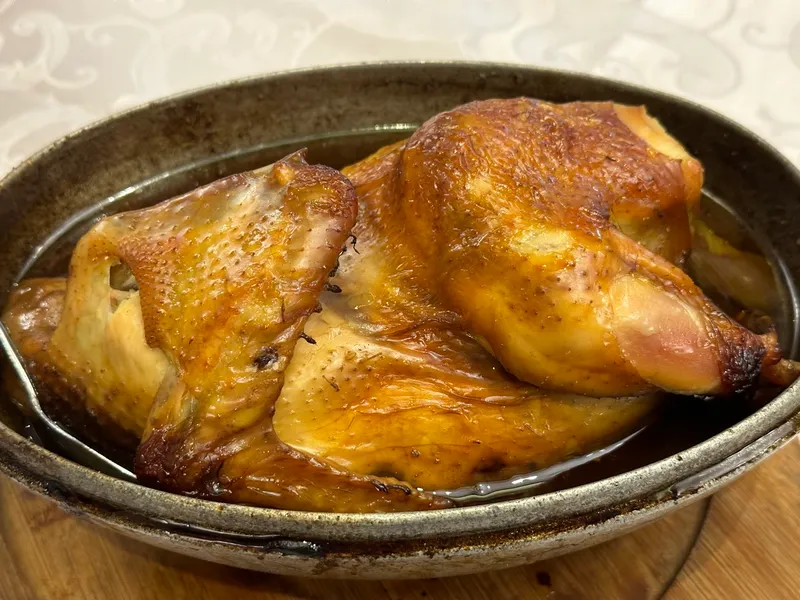
      A whole braised Beggar's Chicken served in a dish, skin glossy and golden-brown

      Beggar's Chicken 叫化鸡

      A whole chicken stuffed with herbs, wrapped in lotus leaf and clay, and slow-baked for hours — the clay shell is cracked open tableside, releasing a burst of steam and fragrance. Legend credits a beggar with no cooking pot for the method.

      WhereTraditional Hangzhou restaurants — order ahead, it needs hours to bake

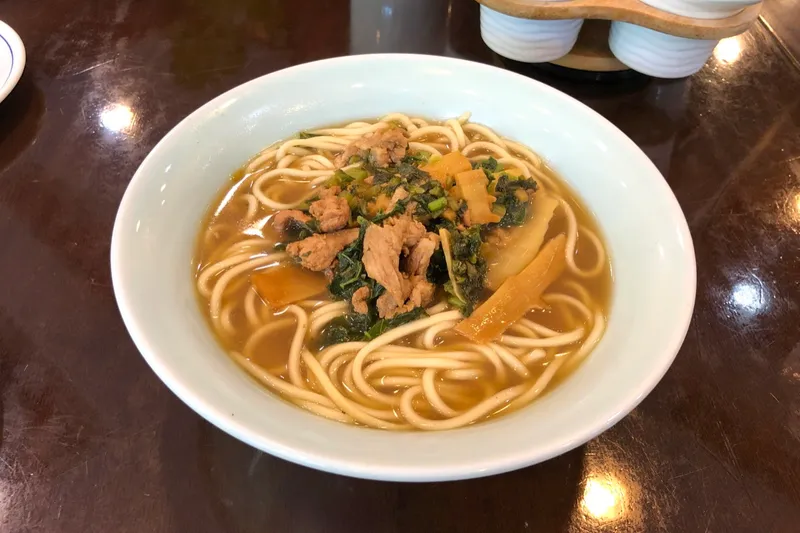
        A bowl of pian er chuan noodle soup topped with pork, bamboo shoot, and pickled greens

        Pian Er Chuan Noodles 片儿川

        Thin wheat noodles in a light broth with pork, bamboo shoot, and pickled mustard greens — Hangzhou's everyday noodle bowl, served at the 1867-founded Kuiyuan Guan since the Qing dynasty.

        WhereKuiyuan Guan (奎元馆), Hangzhou's oldest noodle restaurant

        • 🌾 contains gluten

        Beyond sightseeing

        Experiences you can book here

        Ready to plan the days?

        We've laid out 2-day and 3-day Hangzhou itineraries, plus a one-day plan for the classic Shanghai side trip — with Lingyin's booking deadline and the boat cutoffs built in.

        Placing this on the map: see where Hangzhou sits relative to everywhere else on our interactive map of China, and check when it's busiest on the crowd calendar before you fix dates.

        Frequently asked questions

        Is Hangzhou worth a day trip from Shanghai?
        Yes — the high-speed train is as short as 45 minutes, and West Lake plus Lingyin Temple fill a full day comfortably. Stay a second night if you want to add the Longjing tea villages or a canal cruise without rushing.
        Do I need to book West Lake or Lingyin Temple in advance?
        West Lake itself is free and has no gate. Lingyin Temple's scenic area (Feilai Peak) requires a free timed-entry reservation via WeChat or Alipay at least 1 day ahead — there's no same-day booking, so reserve as soon as your date is fixed.
        What's the best way to see the tea plantations?
        Head to the Longjing or Meijiawu tea villages southwest of the lake — free to walk, with working terraces and farmer-run tastings. Visit in March-April to see the spring harvest, when farmers are hand-picking and pan-firing leaves.
        Should I stay near West Lake?
        Yes. The north and east shores put you within walking distance of Lingyin Temple, Hefang Street, and the lake itself, without needing a taxi for every sight.

        Facts verified 2026-07-22. Opening rules and prices change — re-check official channels for anything booking-critical. Photos: licensed travel photography; app screenshots elsewhere on this site are our own. Photo credits: Gongchen Bridge photo: Windmemories, CC BY-SA 4.0, via Wikimedia Commons · West Lake fish photo: Zheng Zhou, CC BY-SA 4.0, via Wikimedia Commons · Longjing shrimp photo: 猫猫的日记本, CC BY-SA 4.0, via Wikimedia Commons · Beggar's chicken photo: Zheng Zhou, CC BY-SA 4.0, via Wikimedia Commons · Pian er chuan photo: N509FZ, CC BY-SA 4.0, via Wikimedia Commons · Songcheng photo: kanegen, CC BY 2.0, via Wikimedia Commons.