Sights · Verified 2026-07-22
Every Sight, Sorted by How Famous It Actually Is
139 sights across 23 cities, split into four tiers: sights a non-traveler would recognize on sight, sights well-known within China travel circles, solid stops worth researching, and overlooked places that reward going off the main route. Click any card to jump to its full write-up, or open it on the interactive map.
★ Tier one
The unmissable 12
Sights that would be recognized even by someone who's never planned a China trip. If an itinerary only has room for one thing per city, it's usually one of these.
Beijing
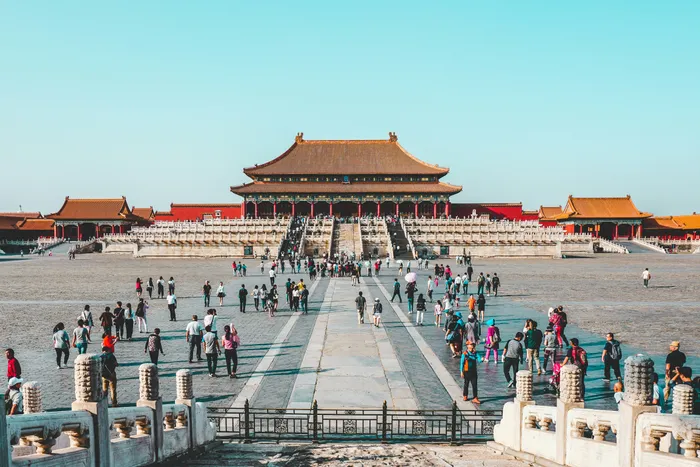
The Forbidden City
Six centuries of imperial power in a single walled city — 980 buildings of vermilion and gold at the exact center of old Beijing. Nothing else in China matches its scale or state of preservation.
Beijing
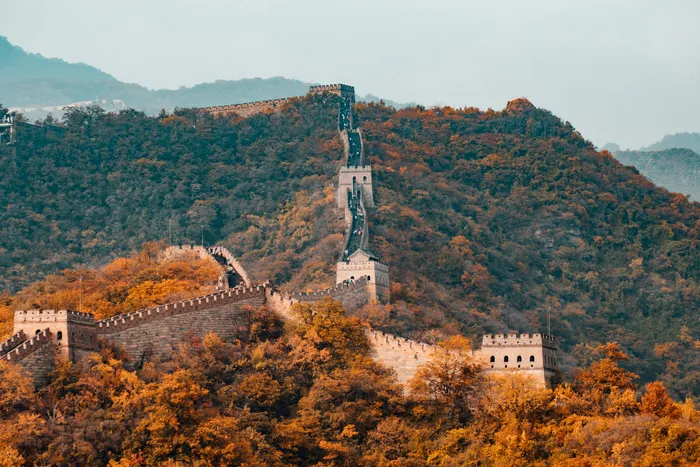
Great Wall at Mutianyu
The best first-timer section of the Wall: fully restored watchtowers, forested mountain views, cable car access, and a fraction of Badaling's crowds. A full-day trip — 1.5–2 hours each way from central Beijing.
Beijing
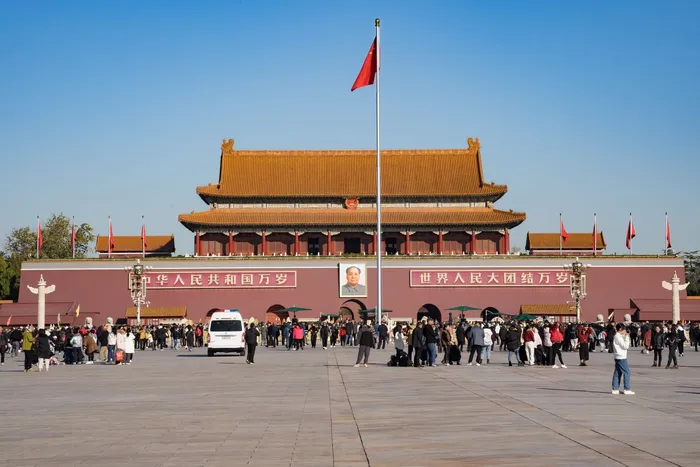
Tiananmen Square
The world's most famous public square, flanked by the Gate of Heavenly Peace, the National Museum, and Mao's mausoleum. Pairs naturally with the Forbidden City directly to its north.
Shanghai
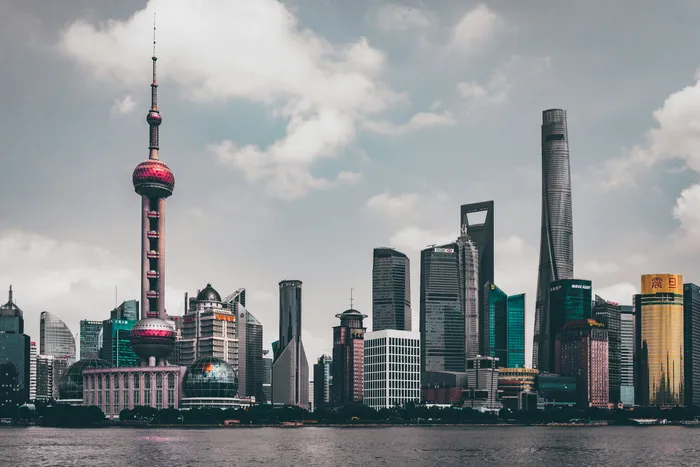
The Bund
Shanghai's signature view: a colonial-era waterfront promenade staring across the Huangpu River at the futuristic Pudong skyline — the Oriental Pearl Tower, the bottle-opener World Financial Center, and the twisting Shanghai Tower. Come at dusk to catch both the daylight and the light show.
Xi'an
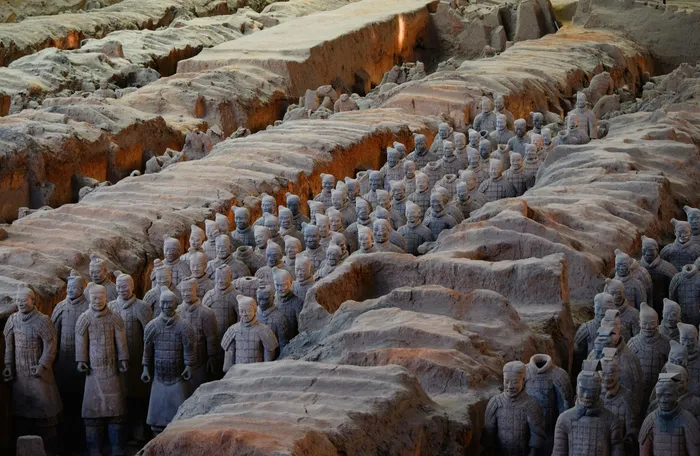
The Terracotta Army
The reason the world knows Xi'an: an 8,000-strong clay army buried for over 2,000 years to guard China's first emperor, each face unique. Pit 1 is the vast, iconic hall; Pits 2 and 3 add context and show ongoing excavation.
Chengdu
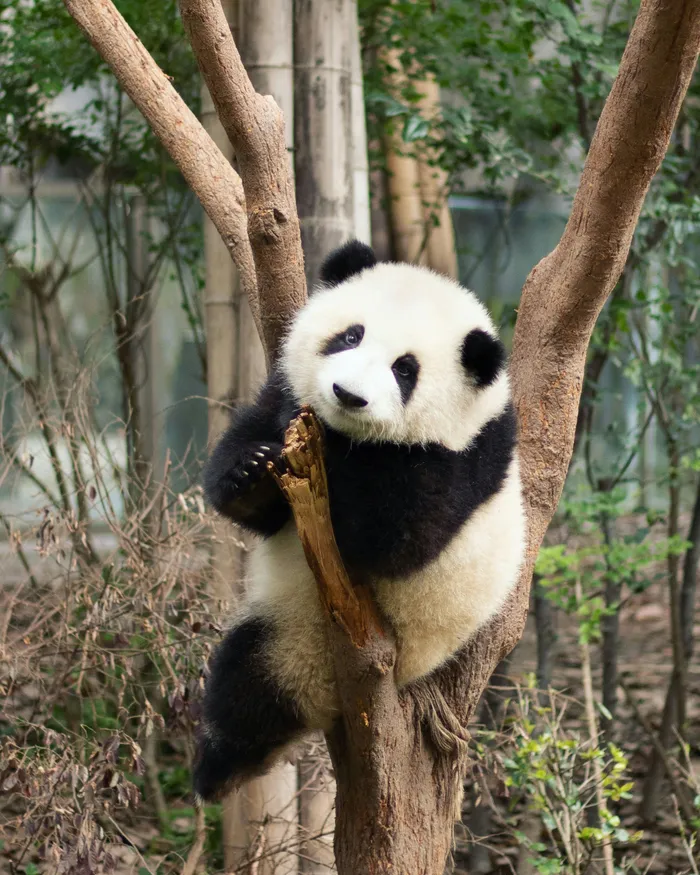
Chengdu Research Base of Giant Panda Breeding
The reason most travelers come to Chengdu: dozens of giant pandas (and red pandas) in leafy, naturalistic enclosures. Go at opening — pandas are most active during the cool morning feeding, and by midday they're asleep in the shade.
Guilin
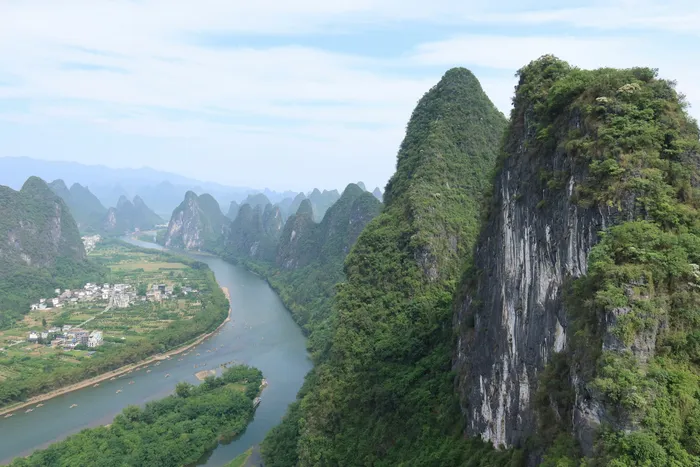
The Li River Cruise
The classic: a 4-5 hour cruise from Guilin to Yangshuo past the karst peaks that inspired centuries of Chinese ink painting (and the back of the ¥20 note). Mist, bamboo, water buffalo, and a thousand green pinnacles drifting by. It's the single most iconic river journey in China.
Hangzhou
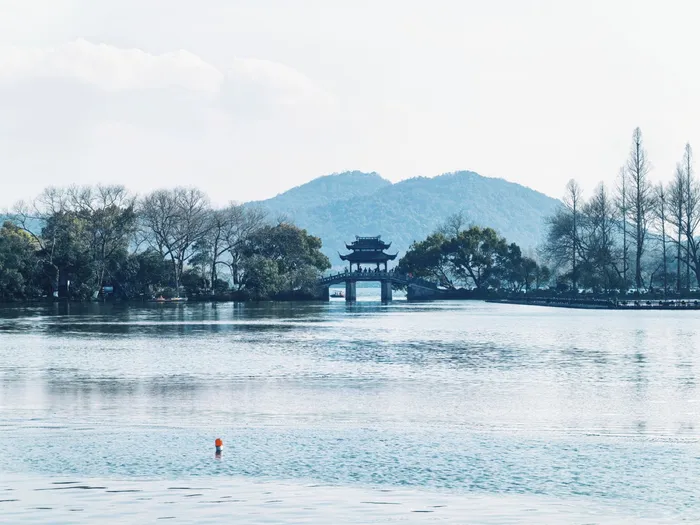
West Lake
The reason Hangzhou is on any itinerary: a UNESCO-listed lake ringed by willow-lined causeways, arched bridges, and pavilions that have inspired Chinese poetry and painting for a thousand years. Walk, cycle, or just sit — there's no wrong way to spend a few hours here.
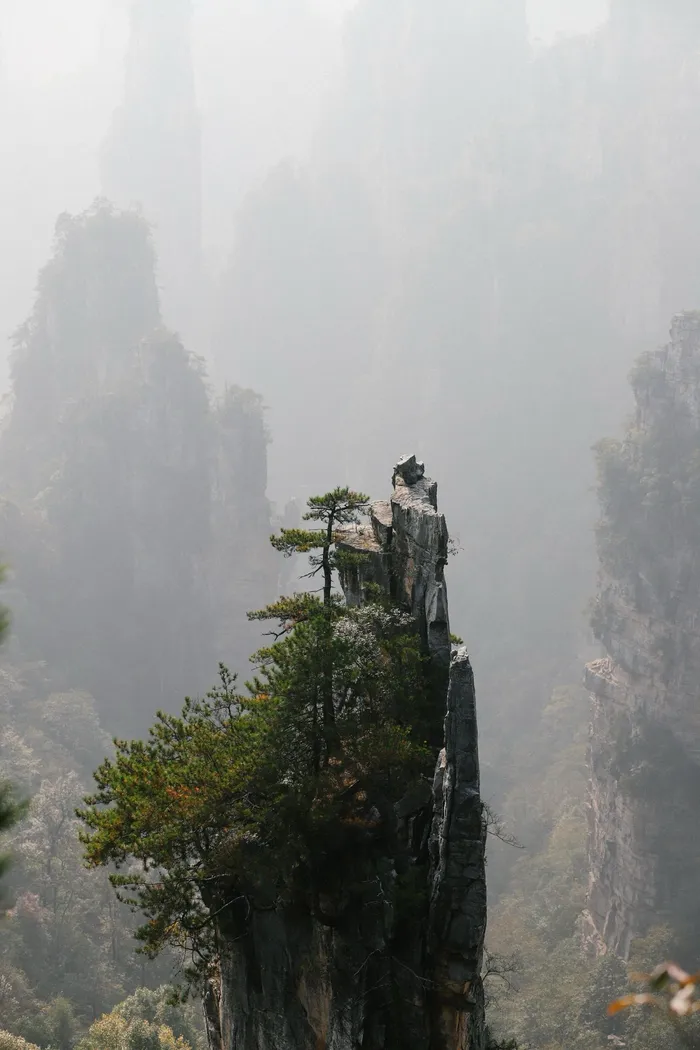
Zhangjiajie
Yuanjiajie (Avatar Mountain)
The quartz-sandstone pillar forest that inspired the floating Hallelujah Mountains in Avatar — walkways strung along the cliff edge past 'First Bridge Under Heaven,' a natural stone arch spanning two peaks. The single most photographed corner of the park.
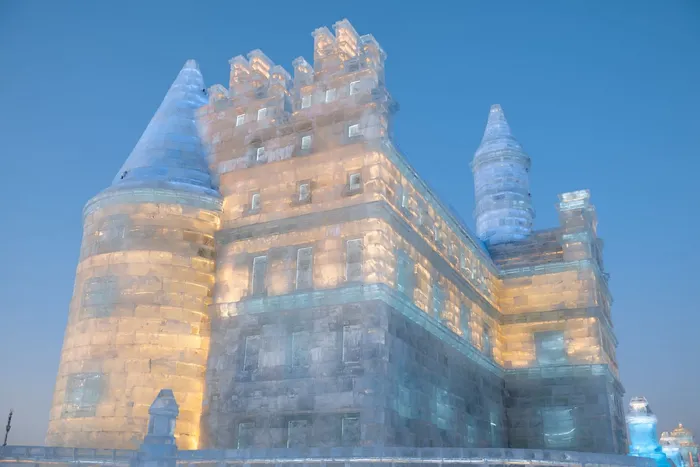
Harbin
Harbin Ice and Snow World
City-block-sized castles, slides, and towers built entirely from Songhua River ice blocks, lit from within by colored LEDs after dark. The signature image of Harbin's winter and the reason most visitors plan a trip around this season at all.
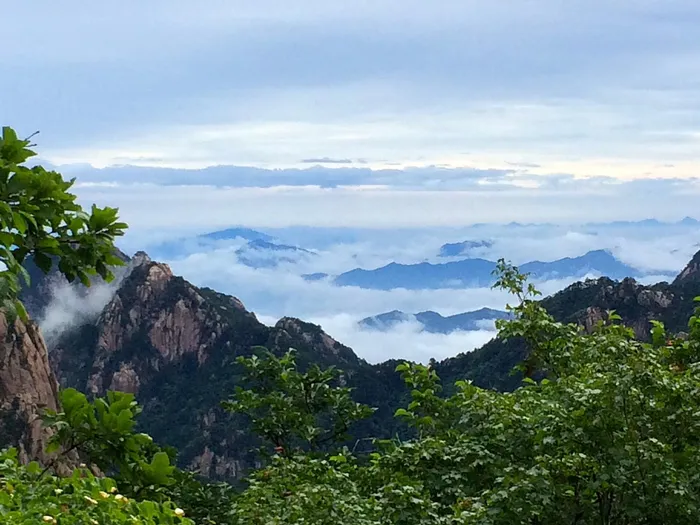
Huangshan
Huangshan Scenic Area (Yellow Mountain)
The mountain behind a thousand ink paintings: granite spires, gnarled pines growing out of sheer rock, and the cloud sea that swallows the valleys after rain. UNESCO-listed and genuinely worth the hype — this is the landscape China means when it says mountains.
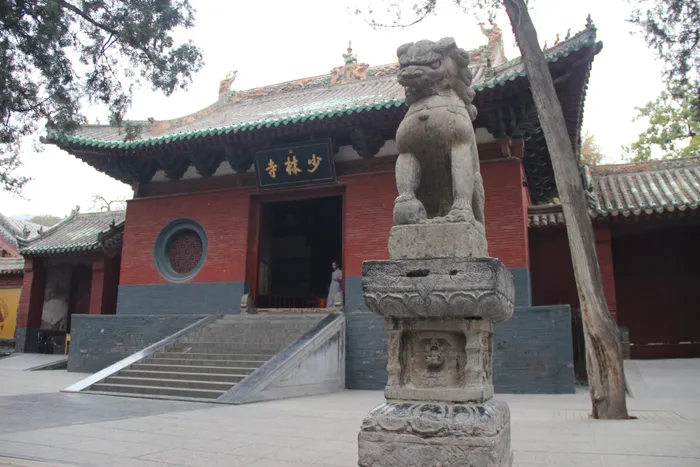
Luoyang
Shaolin Temple
The birthplace of Shaolin kung fu and a working Buddhist monastery since the 5th century, about 75km east of Luoyang in Dengfeng (roughly 1.5 hours by car or bus — a genuine day trip, not a Luoyang in-city stop). Beyond the temple halls, the Pagoda Forest's 200-plus monk tombs and a live martial arts demonstration are the parts visitors remember.
Tier two
Renowned — 37 more worth planning around
Not household names outside China-travel circles, but well-known enough that most guidebooks lead with them.
Beijing
Summer Palace
Beijing
Temple of Heaven
Chengdu
Kuanzhai Alley
Chengdu
Leshan Giant Buddha
Chongqing
Dazu Rock Carvings
Chongqing
Hongya Cave at Night
Chongqing
The Monorail Through a Building
Dali
Dali Old Town
Datong
Hanging Temple
Datong
Yungang Grottoes
Dunhuang
Mingsha Dunes & Crescent Lake
Dunhuang
Mogao Caves
Guangzhou
Canton Tower
Guilin
The Longji Rice Terraces
Guilin
Yangshuo & the Yulong River
Hangzhou
Lingyin Temple & Feilai Peak
Harbin
Saint Sophia Cathedral
Huangshan
Hongcun Village
Kunming
Stone Forest
Lijiang
Lijiang Old Town
Lijiang
Tiger Leaping Gorge
Luoyang
Longmen Grottoes
Nanjing
Nanjing Massacre Memorial Hall
Nanjing
Sun Yat-sen Mausoleum
Pingyao
Pingyao City Wall
Shanghai
Nanjing Road
Shanghai
Shanghai Tower Observation Deck
Shanghai
Yu Garden & Old Town Bazaar
Suzhou
Humble Administrator's Garden
Suzhou
Zhouzhuang Water Town
Xi'an
Bell Tower & Drum Tower
Xi'an
City Wall Bike Loop
Xi'an
Muslim Quarter (Huimin Jie)
Xiamen
Gulangyu Old Town
Zhangjiajie
Tianmen Mountain
Zhangjiajie
Tianzi Mountain
Zhangjiajie
Zhangjiajie Grand Canyon Glass Bridge
Tier three
Notable — 65 solid stops
Genuinely good, not headline sights — the kind that fill out a second or third day in a city without disappointing.
- 798 Art District — Beijing
- Hutongs: Shichahai & Nanluoguxiang — Beijing
- Lama Temple — Beijing
- Du Fu Thatched Cottage — Chengdu
- Jinli Street — Chengdu
- Wuhou Shrine — Chengdu
- Ciqikou Ancient Town — Chongqing
- Yangtze River Cableway — Chongqing
- Cangshan — Dali
- Erhai West Shore & Xizhou — Dali
- Three Pagodas of Chongsheng Temple — Dali
- Datong City Wall — Datong
- Huayan Temple — Datong
- Yumen Pass — Dunhuang
- Baiyun Mountain — Guangzhou
- Chen Clan Ancestral Hall — Guangzhou
- Pearl River Night Cruise — Guangzhou
- Shamian Island — Guangzhou
- Yuexiu Park & the Five Rams Statue — Guangzhou
- Elephant Trunk Hill — Guilin
- Reed Flute Cave — Guilin
- Yangshuo West Street — Guilin
- Hefang Street — Hangzhou
- Leifeng Pagoda — Hangzhou
- Longjing Tea Village — Hangzhou
- West Lake Cruise to Three Pools Mirroring the Moon — Hangzhou
- Central Street — Harbin
- Siberian Tiger Park — Harbin
- Sun Island Snow Sculpture Art Expo — Harbin
- Tunxi Old Street — Huangshan
- Xidi Village — Huangshan
- Dianchi Lake — Kunming
- Green Lake Park — Kunming
- Western Hills & Dragon Gate — Kunming
- Black Dragon Pool Park — Lijiang
- Jade Dragon Snow Mountain — Lijiang
- White Horse Temple — Luoyang
- Confucius Temple & the Qinhuai River — Nanjing
- Ming City Wall — Nanjing
- Nanjing Museum — Nanjing
- Presidential Palace — Nanjing
- Ming-Qing Street (South Street) — Pingyao
- Rishengchang Draft Bank — Pingyao
- Shuanglin Temple — Pingyao
- Badaguan — Qingdao
- St. Michael's Cathedral — Qingdao
- Tsingtao Beer Museum — Qingdao
- Zhanqiao Pier — Qingdao
- Dadonghai Beach — Sanya
- Tianya Haijiao — Sanya
- Wuzhizhou Island — Sanya
- Yalong Bay — Sanya
- The French Concession — Shanghai
- Tianzifang — Shanghai
- Lingering Garden — Suzhou
- Pingjiang Road — Suzhou
- Suzhou Museum — Suzhou
- Tiger Hill — Suzhou
- Big Wild Goose Pagoda — Xi'an
- Shaanxi History Museum — Xi'an
- South Putuo Temple — Xiamen
- Sunlight Rock — Xiamen
- Xiamen University — Xiamen
- Bailong Elevator — Zhangjiajie
- Ten-Mile Gallery — Zhangjiajie
💎 Tier four
Hidden gems — 25 places most guides skip
Overlooked relative to how good they are — quiet, uncrowded, and mostly a short trip from a city already covered in depth above.
- Teahouses & People's Park — Chengdu
- Eling Park & the Night Skyline — Chongqing
- Great Hall of the People — Chongqing
- Shaxi Old Town — Dali
- Shuanglang — Dali
- Nine Dragon Screen — Datong
- Dunhuang Night Market — Dunhuang
- Beijing Road — Guangzhou
- Moon Hill — Guilin
- Grand Canal & Gongchen Bridge — Hangzhou
- Flood Control Monument — Harbin
- Huizhou Ancient City — Huangshan
- Guandu Ancient Town — Kunming
- Mu Family Mansion — Lijiang
- Lijing Gate & Old Town — Luoyang
- Wangcheng Park — Luoyang
- Xuanwu Lake — Nanjing
- Pingyao County Yamen — Pingyao
- May Fourth Square — Qingdao
- Nanshan Guanyin & Cultural Zone — Sanya
- Zhujiajiao Water Town — Shanghai
- Shantang Street — Suzhou
- Huaqing Palace — Xi'an
- Zhongshan Road — Xiamen
- Baofeng Lake — Zhangjiajie
Frequently asked questions
- What are the most iconic sights in China?
- Twelve places on this site rank as unmissable even for someone who's never studied China: the Forbidden City, the Great Wall, the Terracotta Army, the Bund, the Chengdu panda base, the Li River karst peaks, West Lake, the Zhangjiajie "Avatar" pillars, Huangshan, Harbin's Ice and Snow World, and Shaolin Temple.
- How were these rankings decided?
- This is an editorial judgment call, not an algorithm or a popularity survey — the same team that writes the site's city guides rated each sight by real-world name recognition. "Iconic" means a non-traveler would likely recognize it on sight; "hidden gem" means it rewards travelers willing to go off the well-trodden path.
- Are hidden gems worth the detour?
- Most of the hidden gems here are a short trip from a city we already cover in depth — a quiet lake, a less-visited old town, a museum without the crowds. They're not "secret" so much as overlooked relative to how good they are.
Verified 2026-07-22. Tiers are an editorial call, not a data-driven ranking — see the FAQ above for methodology. Tell us if a placement looks off.