Guide · Verified 2026-08-15
Common Scams in China (and How to Avoid Them)
First, the reassuring part: China is one of the safest destinations you'll visit, with very little violent or street crime. The risks are almost entirely financial — a handful of well-worn tourist scams that all follow the same script. Learn the pattern and you'll sidestep every one.
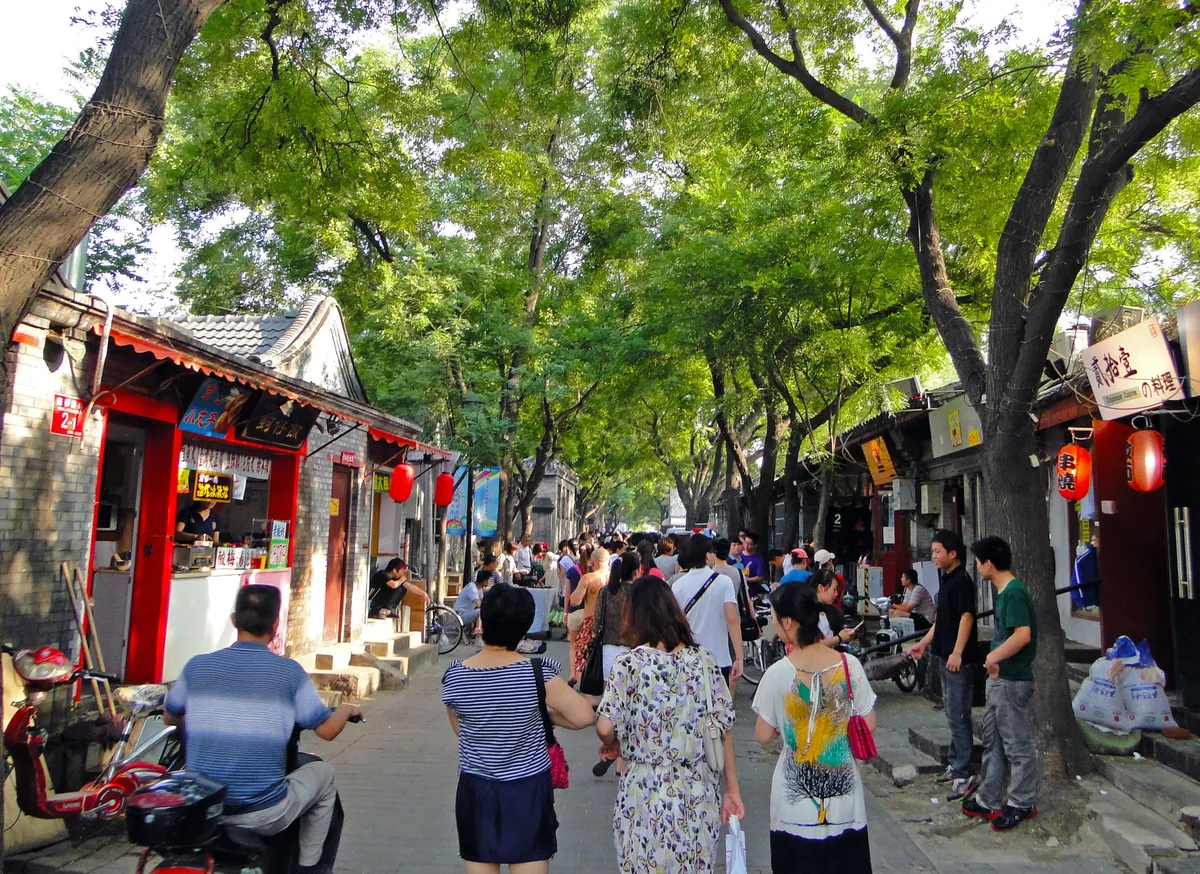
If someone you just met is steering you somewhere particular, that's your cue to politely decline.
One shape, worn six ways
The catalogue below is worth reading, but memorising six stories is the weaker skill. Every one of them runs the same four beats, and so do the variants nobody has written up yet. Learn the shape and you don't need the list.

- The approach. A stranger opens in fluent English, in a place where that is unusual. A student practising, a tourist from another province, someone who just happens to be going your way.
- The warmth. Several minutes of genuinely pleasant conversation. Nothing is asked for. This is the part that works, and it is doing all the heavy lifting.
- The steer. A specific venue is proposed — this tea house, that gallery, a bar around the corner. Not a type of place. A named one.
- The bill. It arrives at the end, it is enormous, and by then you are inside a room with people who have been friendly to you for an hour.
Note what the shape does not involve: threat, pressure, or anything that feels dangerous in the moment. This is why "trust your gut" is poor advice here. The whole method is engineered so that your gut says everything is fine right up until the bill lands.
The tea house ceremony
Tourist areas of Beijing, Shanghai, Xi'anA friendly English-speaking 'student' or 'tourist' invites you to a traditional tea ceremony nearby. It's warm and convincing — until a bill for hundreds of dollars arrives. The venue and the 'friends' are in on it.
How to avoid itBe wary of strangers who approach you in English and steer you to a specific tea house, art gallery, or bar. Choose your own venues.
The art student gallery
Near major sights'Art students' invite you to see an exhibition of their work, then pressure you into buying overpriced mass-produced paintings as a favor for their 'studies.'
How to avoid itEnjoy a chat if you like, but decline the gallery visit. Real student art isn't sold via street recruitment.
Rigged taxis & 'broken' meters
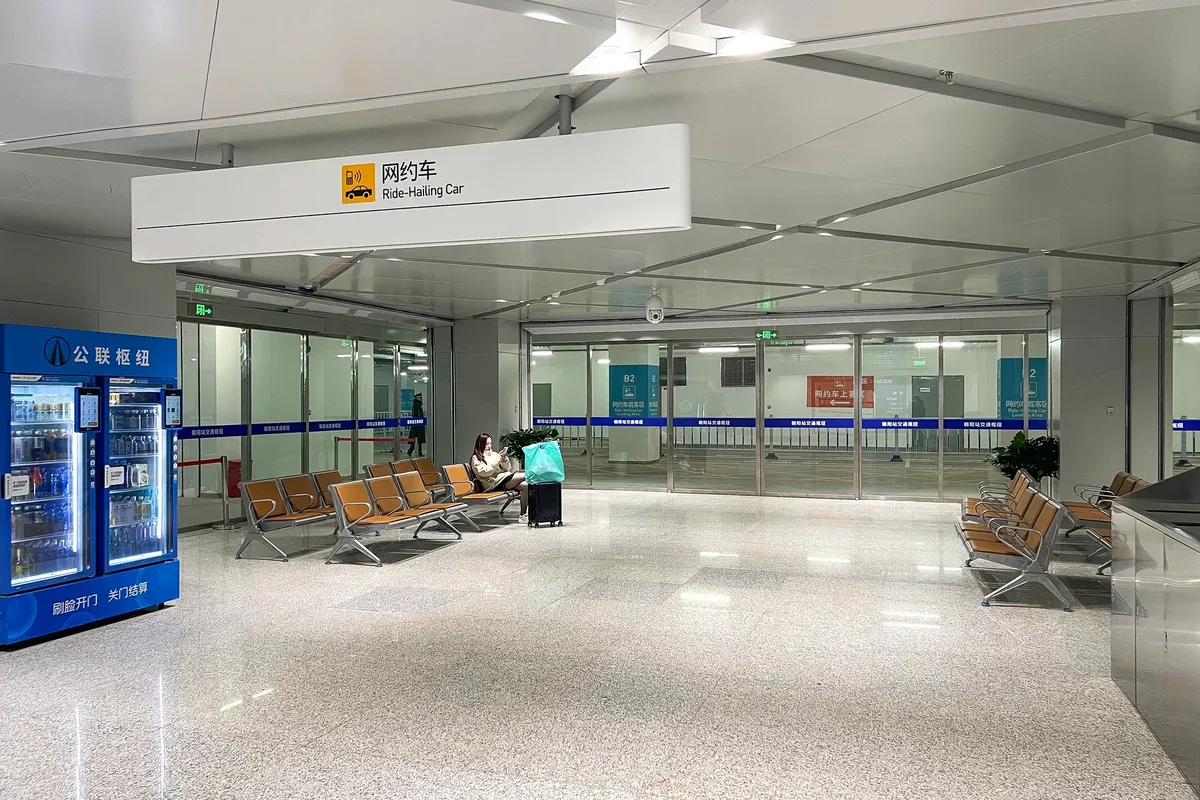
Airports and train stationsA driver refuses the meter, quotes a flat (inflated) fare, or takes a scenic detour. Unlicensed 'black cabs' at arrivals are the worst offenders.
How to avoid itUse DiDi (China's ride app, in English) so the price is fixed in advance, or insist on the meter ('dǎ biǎo'). Ignore drivers who approach you inside the terminal.
Fake or padded bills
Bars and KTV loungesA too-friendly local invites you for drinks; the bill is wildly inflated, with charges you never agreed to. A variant of the tea scam, aimed at solo male travelers.
How to avoid itPick your own bars, check prices before ordering, and be cautious of new 'friends' who insist on a particular spot.
Counterfeit cash (rare now)
Anywhere you use cashHistorically, fake banknotes were slipped into change. This is far less common now that China is nearly cashless.
How to avoid itSimply pay by phone. With Alipay or WeChat Pay you'll almost never touch cash, and this risk disappears entirely.
Over-eager 'helpers' at machines
Train and metro stationsSomeone offers to help you use a ticket machine, then asks for a fee or palms some change.
How to avoid itBuy tickets through official apps or staffed counters, or use the machine yourself — they have English options.
Frequently asked questions
- Is China safe for tourists?
- Yes — China has very low rates of violent crime, and solo and female travelers generally report feeling very safe, including at night. The risks are almost entirely financial scams aimed at tourists, not threats to your safety. Common-sense awareness is enough.
- What's the most common scam to watch for?
- The tea house (and its cousins, the bar and art-gallery scams). All follow the same script: a friendly, English-speaking stranger approaches you near a tourist site and steers you to a specific venue where you're hit with a huge bill. If someone you just met is leading you somewhere specific, be cautious.
- How does going cashless protect me?
- Paying with Alipay or WeChat Pay eliminates counterfeit-cash and short-change tricks entirely, and ride-hailing apps fix taxi fares in advance. Setting up mobile payment before you travel removes most scam surfaces at once.
- What should I do if I get scammed?
- For overcharging disputes, you can call the tourist hotline (12301) or, in a serious case, the police (110). Keep your hotel's address handy. Most scams are avoidable up front by choosing your own venues and not following strangers.
Verified 2026-08-15. These scams are the exception, not the rule — the vast majority of interactions in China are honest and welcoming. Photos: Dimitris Argyris; N509FZ (ride-hailing); CC BY 2.0 / CC BY-SA 4.0, via Wikimedia Commons.